
How We Celebrate Deepavali in Malaysia
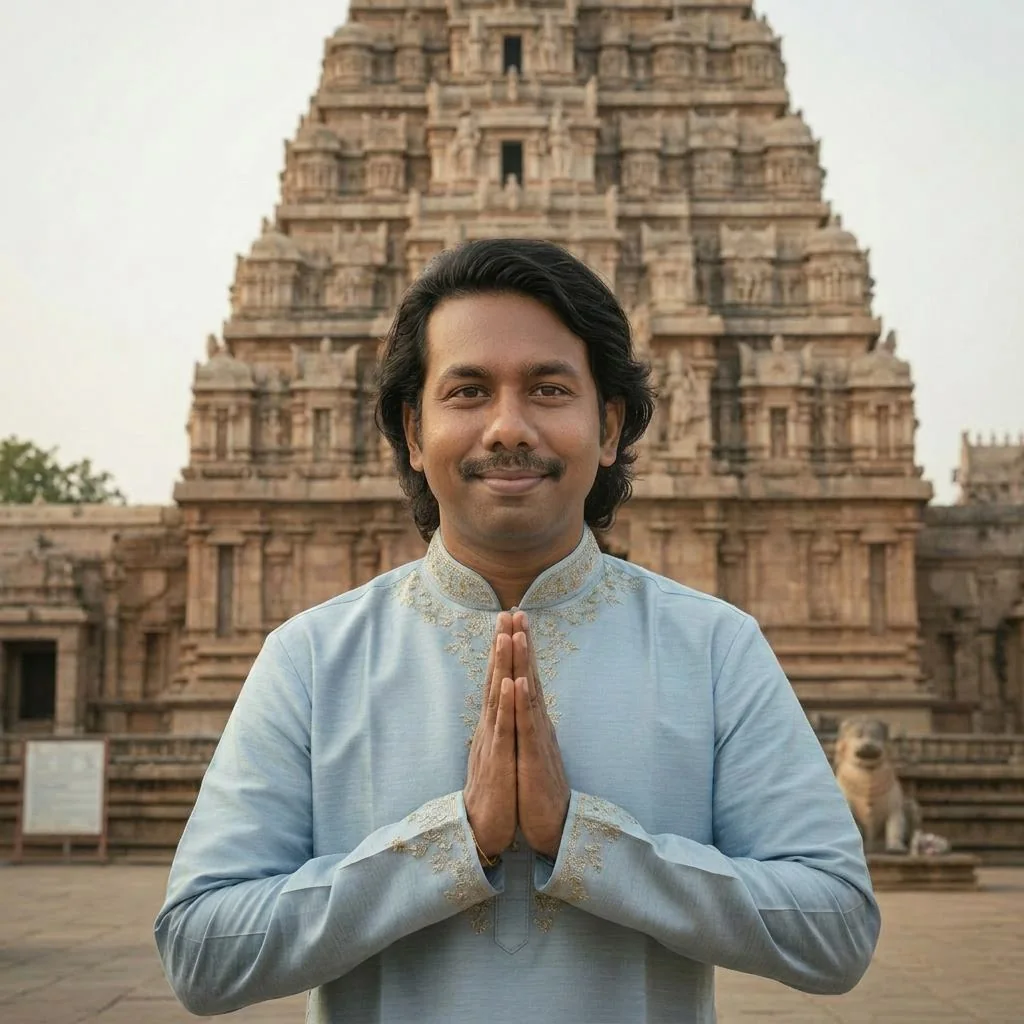 By Master Bala · 08 November 2026 · 6 min read
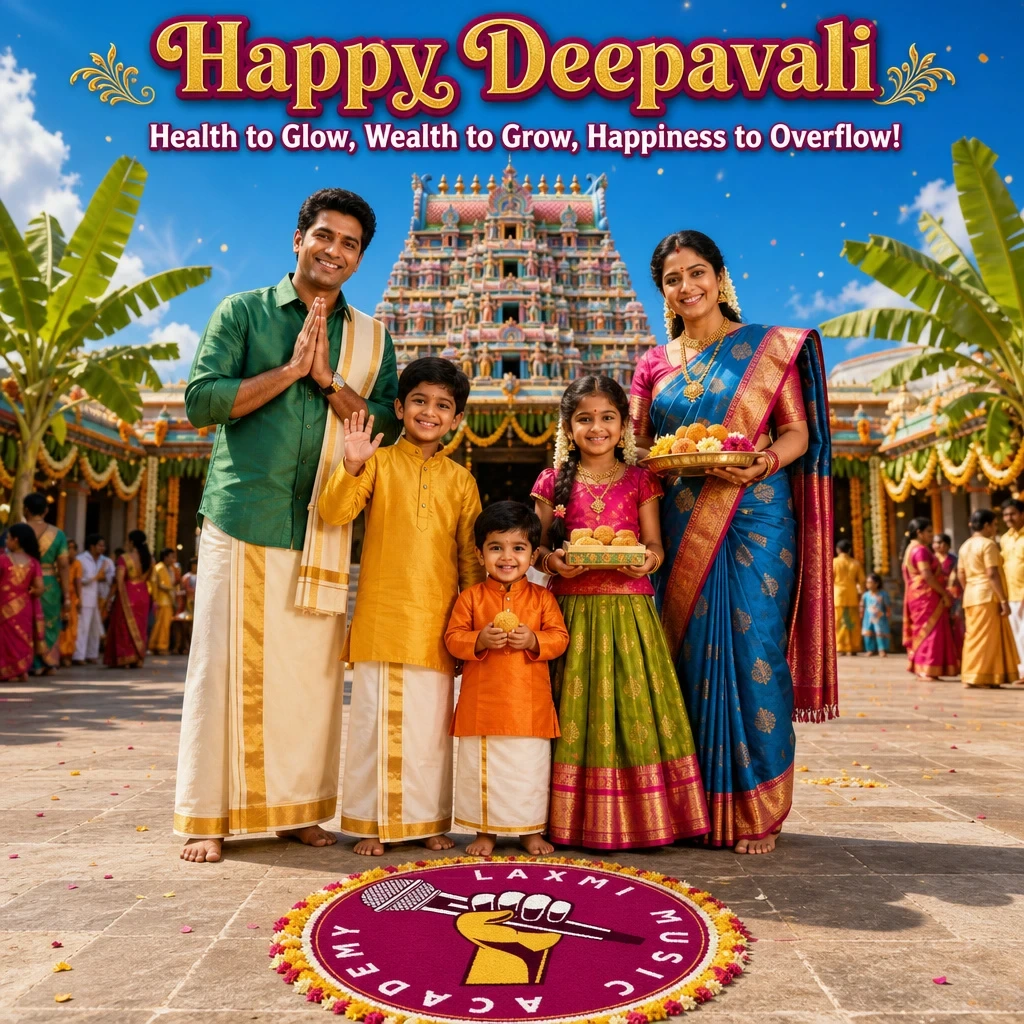
From the pre-dawn oil bath to the open house: how the day really unfolds.
If you have never spent Deepavali in a Malaysian Tamil home, let me give you the real picture, the way the day actually unfolds from before sunrise to late in the evening. It is one of my favourite days of the year, and almost all of it happens together, as a family. Here is how it goes.
Every family has its own small variations, so think of this as the shape of the day, not a strict rulebook.
It starts before sunrise, with the oil bath
The day begins early, often while it is still dark outside, with the traditional oil bath. An elder usually dabs a little warm sesame oil on each person's head, and then everyone bathes. It sounds like a small thing, but it is one of the most meaningful moments of the day. In our tradition it stands for washing away the old and starting the festival clean and fresh, in body and in spirit. In many Tamil homes this bath is called Ganga Snanam, as though the waters of the sacred Ganga were in it.
The morning, in order
Oil bath before sunrise, then new clothes, then prayers at home, and for many families a visit to the temple. Only after all of that does the eating, visiting and celebrating really begin.
New clothes, and prayers
Fresh from the bath, everyone puts on new clothes, often bought specially for the day. Then the family gathers for prayers at the home altar, giving thanks and asking for a bright year ahead. Many families also make their way to the temple, where the halls are full of light, flowers and song. For a lot of us, that temple visit is the heart of the morning.
A home dressed in light
Step up to a Tamil home on Deepavali and you will usually see two things at the doorway: a kolam, a beautiful pattern drawn on the floor in coloured powder or rice flour to welcome guests, and rows of little oil lamps glowing along the step. Inside, the home is bright, clean and ready for visitors. The lamps are the whole point of the festival, so every family lights plenty of them.
A lamp at the door, a kolam on the floor, and the whole house saying: you are welcome here.
Sweets, murukku and an open door
Now for the part the children wait for all year. Deepavali tables overflow with sweets and savouries, from soft, syrupy treats to crunchy, golden murukku. Food is made in big batches, because it is meant to be shared, with family, with neighbours, and with anyone who walks through the door.
And this is where Malaysia does something truly its own: the open house. Families throw their doors wide open and welcome friends of every race and every faith to come, eat, and share the joy. It is one of the warmest traditions in the country, and you do not have to be Tamil or Hindu to be part of it. A Deepavali open house is simply a celebration of being neighbours.
Did you know?
The Deepavali open house is a beautifully Malaysian idea. Friends of all backgrounds visiting one another's festivals, year after year, is a big part of what makes festive seasons here feel like they belong to everyone.
Blessings from elders, and a first Deepavali
Through the day, younger ones visit their elders to pay respects and receive their blessings. It is a quiet, lovely custom that keeps families close.
There is also a special one for couples who married in the past year. Their first Deepavali together, called Thala Deepavali, is usually celebrated at the bride's family home. The couple visits on the eve of the festival, the bride's family warmly welcomes the new son-in-law, and there are gifts of new clothes, sweets and jewellery. It is a tender way of folding a new husband into the wider family.
The sound of the day
Through all of it, there is music. Devotional songs play in the background from early morning, temples fill with singing, and in many homes the family sings together. Festivals like this are exactly why so many parents want their children to learn to sing, so a young one can join in, offer a song at the altar, or simply carry the music of their culture with them. If you would like that for your family, we teach it gently in our vocal classes and online.
What the day really gives
Strip away the sweets and the new clothes and what Deepavali leaves behind is togetherness: a whole family under one roof, doors open to friends, everyone a little brighter for the day. That is the real gift, and it costs nothing.
🎧 Share the warmth, your way
There is nothing to prepare or get right. Deepavali is about joy, not performance.
If you like, light a lamp, share a sweet with a neighbour, and let a devotional song play while you do. However you mark it, keep it warm and easy.
From our family to yours
However you spend the day, we wish you a Deepavali full of light, good food and good company. And if this is the season your child starts to sing, trust me, there is no better gift to carry into every festival to come. We would love to help them begin.
Words to know
Ganga Snanam, the traditional pre-dawn oil bath, named as though the waters of the sacred Ganga were in it.
Kolam, a decorative pattern drawn at the doorway in coloured powder or rice flour to welcome guests.
Murukku, a crunchy, golden savoury snack made and shared at Deepavali.
Diya, a small oil lamp lit through the home during the festival.
Thala Deepavali, a newlywed couple's first Deepavali, usually celebrated at the bride's family home.
Open house, the Malaysian custom of welcoming friends of every race and faith to share the festival.
Your questions, answered
How do Malaysians celebrate Deepavali?
The day usually begins before sunrise with a traditional oil bath, followed by new clothes, prayers at home and often a temple visit. Families light oil lamps, draw a kolam at the door, share sweets and murukku, visit elders for blessings, and hold open houses for friends of every background.
What is the Deepavali oil bath?
It is a traditional bath taken early in the morning, often before sunrise, after a little warm sesame oil is applied to the head. In many Tamil homes it is called Ganga Snanam and represents washing away the old and starting the festival clean and fresh.
What is Thala Deepavali?
Thala Deepavali is a newlywed couple's first Deepavali after marriage. It is usually celebrated at the bride's family home, where the couple visits on the eve of the festival, the new son-in-law is warmly welcomed, and gifts of new clothes, sweets and jewellery are given.
What is a Deepavali open house?
An open house is a Malaysian custom where families open their doors and welcome friends of every race and faith to visit, eat and celebrate together. You do not have to be Hindu to join a Deepavali open house.
What food is eaten at Deepavali?
Deepavali tables are full of sweets and savoury snacks, including soft syrupy sweets and crunchy golden murukku. Food is made in large batches to share with family, neighbours and visitors throughout the day.
Want your child to sing through the festivals?
Send us a message on WhatsApp, and we will warmly help you or your child begin, online, or here with us in Puchong.
💬 WhatsApp Us
Master Bala
Master Bala carries the timeless tradition of Carnatic music to a new generation at Laxmi Music Academy in Puchong, teaching with patience and devotion, and guiding each student from their very first note all the way to the stage.