
Why We Celebrate Deepavali: The Story Behind It
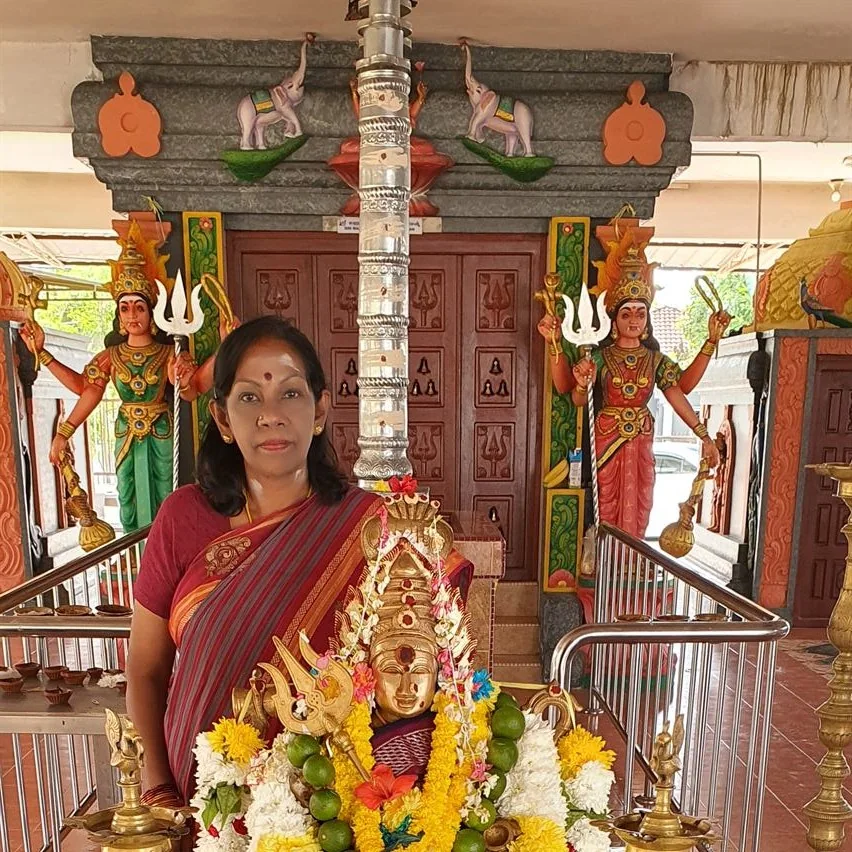 By Mataji Laxmi · 08 November 2026 · 6 min read
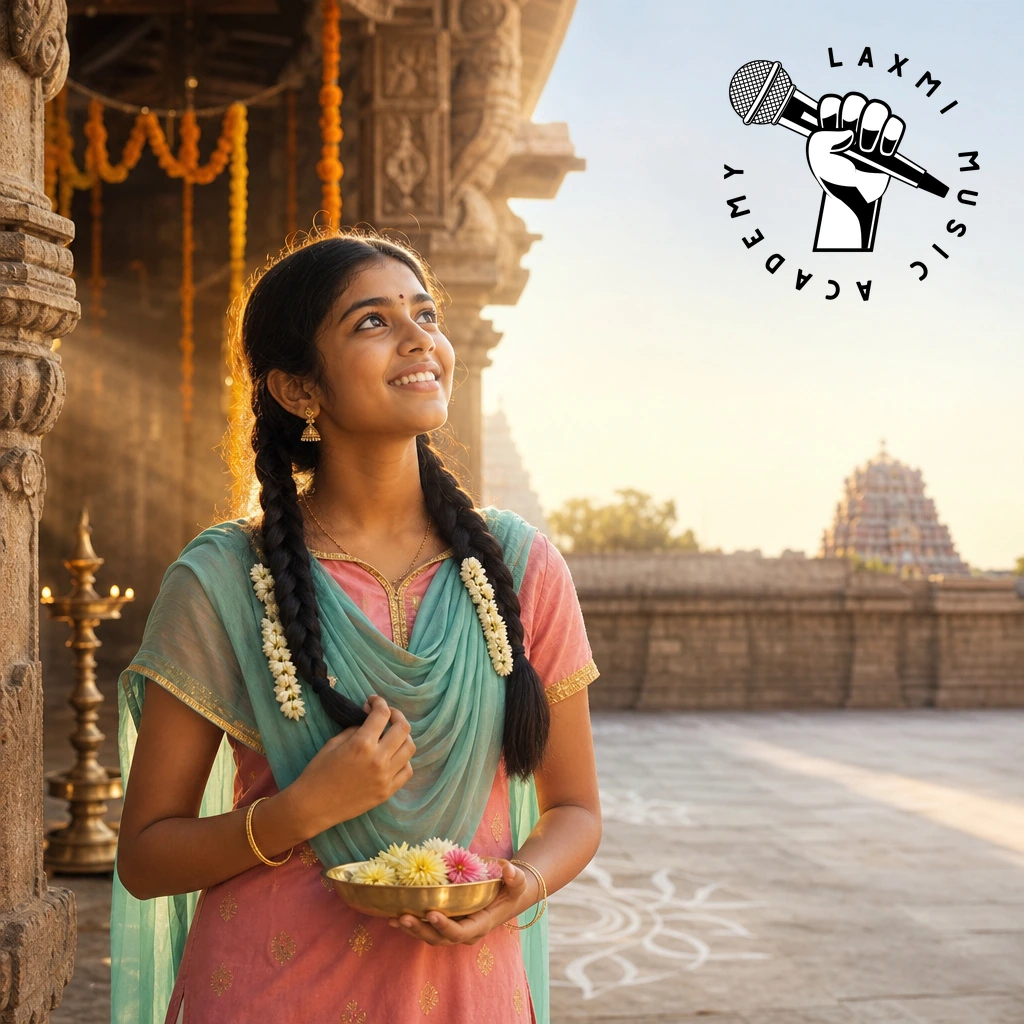
Every lamp we light has a story glowing behind it.
My dear child, every lamp we light on Deepavali has a story glowing behind it. We do not light them only because they are pretty. We light them because of something that happened long ago, something worth remembering in every generation. Come, sit with me a while, and let me tell you why we celebrate.
There is more than one story, for this festival is loved across many lands. Let me share the ones closest to our hearts.
The story we hold in the south
In the tellings passed down to us, there once lived a powerful and cruel ruler named Narakasura. He had grown so proud and so harsh that he brought darkness and fear wherever his shadow fell, and he held countless innocent people captive, unable to return to their homes.
And so Lord Krishna, with his devoted wife Satyabhama beside him, rose to set things right. Together they faced Narakasura and overcame him, and the captives were freed at last. In some of the old tellings it is Satyabhama herself who strikes the final blow, a lovely reminder that courage and goodness are not the gift of one kind of person alone.
Here is the part that always moves me. Before his end, Narakasura asked for one thing: that the day of his defeat be remembered not with sorrow, but with light and with joy. And so we do. Every lamp is a small promise that even the hardest heart can leave behind a little light.
Even the longest night ends, and when it does, we answer it with a thousand little lamps.
The story told in the north
Further north, families remember a different tale on these same nights. They remember Lord Rama, who returned home to the city of Ayodhya after fourteen long years away. The people loved him so dearly that they lit rows of lamps along every path to welcome him home and to light his way through the dark.
Two stories, two corners of a vast land, and yet the same gentle truth glows in both: light returns, goodness returns, home returns.
Did you know?
Deepavali is woven from many stories, not one. Different regions remember different tales, yet every single one of them lands on the same meaning: the triumph of light over darkness. That is the quiet thread tying millions of homes together on the same night.
Welcoming grace into the home
There is another reason we clean our homes and light our lamps. It is said that Lakshmi, the goddess of prosperity and grace, visits homes that are clean, bright and welcoming. So families sweep every corner, draw a kolam at the door and set lamps in the windows, making the home ready to receive something good. Whether or not you hold the belief, there is a lovely wisdom in it: a home made clean and bright with care is already a happier place to live.
What all of it means
Strip away the different names and tales, my child, and you reach the same still centre. Deepavali is the victory of light over darkness, of good over evil, of knowledge over ignorance. It is a night when we are reminded that no darkness is final, and that each of us can be a lamp for someone else.
Why these stories still matter
You might wonder, my child, why we keep telling tales so old. It is because a story reaches a young heart where a lecture never can. A child who hears that light once returned to a frightened land, that goodness once walked home after fourteen long years, grows up carrying a quiet confidence: that hardship passes, that kindness is never wasted, and that they too can be a small lamp in someone's dark hour. We do not light these lamps only to look back. We light them to show the next generation how to live.
How we sing it
In our tradition we do not only tell these stories, we sing them. Devotional songs carry the meaning of the festival straight into the heart, in a way plain words cannot. Through the day, many homes fill with bhajans and sacred verses, and families gather to sing together. The sacred Tamil hymns of Thevaram have carried devotion in exactly this way for over a thousand years, and learning even to sing a little, in our vocal classes or online, lets a child offer that devotion in their own voice.
What this gives a child
A child who knows the story behind the lamp lights it with a fuller heart. Understanding why we celebrate turns a pretty custom into something a young one can carry, and pass on, for the rest of their life.
🎧 A quiet moment to share
There is nothing to study. The story is the gift, and it is given simply by telling it.
If you wish, light a lamp together this Deepavali and tell the little ones one of these stories in your own words, perhaps with a gentle song playing. A shared moment, never a task.
Carry the light forward
These stories have survived because in every generation, someone chose to tell them again. Tell them to your children this Deepavali, and let the lamps mean something. When you are ready for them to sing the devotion too, we would be honoured to help.
Words to know
Narakasura, the cruel ruler of the southern Deepavali story, overcome by Krishna and Satyabhama.
Satyabhama, the wife of Lord Krishna, who in many tellings strikes the final blow against Narakasura.
Rama, the prince whose return to Ayodhya is remembered with lamps in the northern tradition.
Ayodhya, the city that lit rows of lamps to welcome Rama home.
Lakshmi, the goddess of prosperity and grace, welcomed into clean, lamp-lit homes.
Kolam, the decorative pattern drawn at the doorway to welcome guests and grace.
Your questions, answered
Why do we celebrate Deepavali?
Deepavali celebrates the victory of light over darkness and good over evil. In the southern tradition it remembers Lord Krishna and Satyabhama overcoming the cruel ruler Narakasura and freeing his captives.
Who was Narakasura?
Narakasura was a powerful and cruel ruler in the Deepavali story who held many people captive. Lord Krishna, with his wife Satyabhama, overcame him, and before his end he asked that the day be remembered with light and joy rather than sorrow.
What is the story of Rama and Deepavali?
In the northern tradition, Deepavali remembers Lord Rama returning to the city of Ayodhya after fourteen years away. The people lit rows of lamps to welcome him home and to light his path.
Why do we light lamps on Deepavali?
The lamps represent light overcoming darkness and good overcoming evil. They also welcome the goddess Lakshmi, who is said to visit homes that are clean, bright and welcoming.
What does Deepavali symbolise?
Across all its different stories, Deepavali symbolises the same thing: the triumph of light over darkness, good over evil and knowledge over ignorance, and the reminder that no darkness is final.
Wish for your child to sing the devotion?
Send us a message on WhatsApp, and we will lovingly help you or your child begin, online, or here with us in Puchong.
💬 WhatsApp Us
Mataji Laxmi
Mataji Laxmi is the founder and guiding guru of Laxmi Music Academy in Puchong. A lifelong devotee of Carnatic music, she has nurtured generations of students with warmth and devotion, keeping this beautiful tradition alive for the young.