 Life & Miracles
Sundarar
Thevaram · Tirumurai 7 ⏱ 3 min readSundarar (also called Sundaramoorthy) approached Shiva as a friend rather than only a devotee. His hymns carry a unique intimacy and boldness. He composed the Thiruthondathogai, the roll-call of the 63 Nayanmars.
The Servant from Kailash
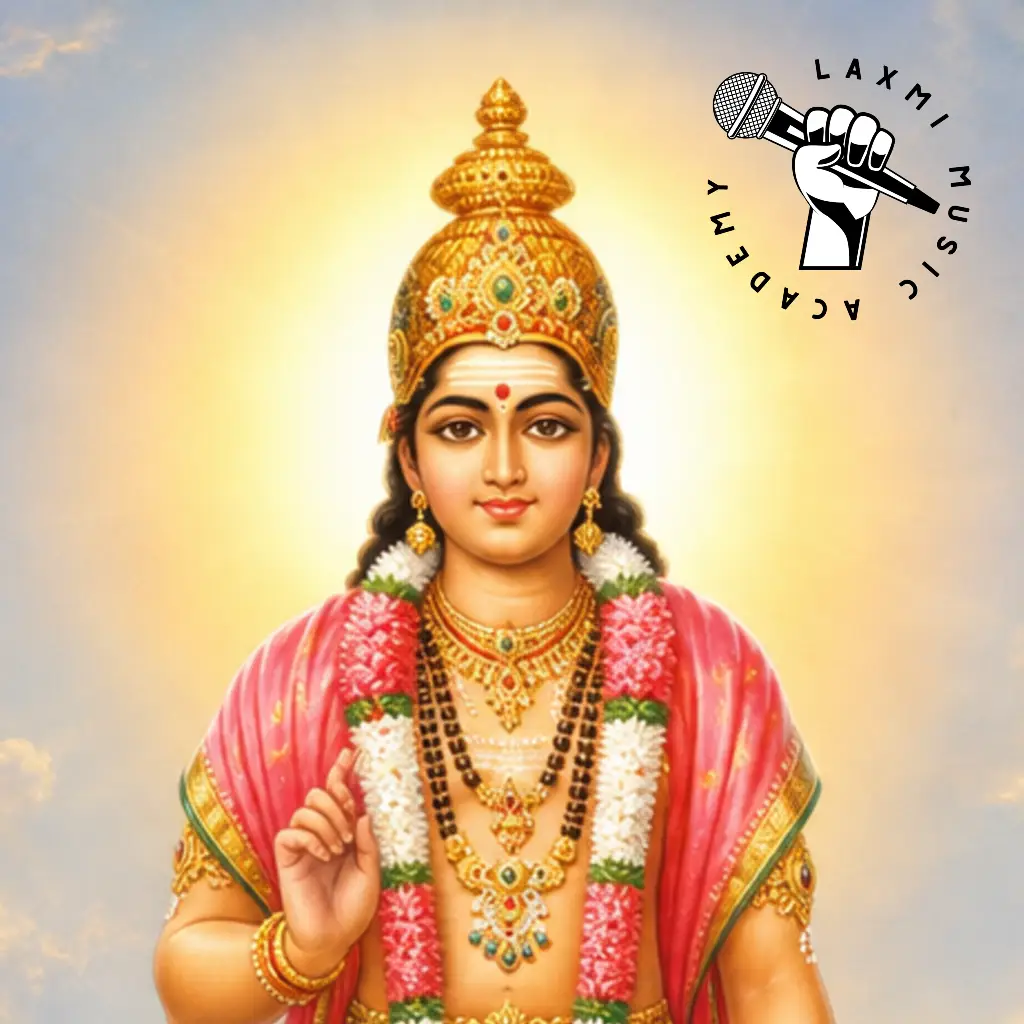
His story did not begin on Earth at all. Tradition tells that Sundarar was once Alala Sundarar, a beloved attendant of Lord Shiva upon Mount Kailash, sent down to live a human life after a small offence, with a promise from the Lord that he would one day be brought home again. He was born in Tirunavalur to a Brahmin couple, Sadaiya Nayanar and Isaignaniyar, who were themselves so devout that they too are counted among the sixty-three saints. From his earliest days the child was so strikingly beautiful that everyone simply called him Sundarar, “the beautiful one.”
The Wedding That Never Was
On the very day of his wedding, just as the ceremony was about to be sealed, an old Brahmin stranger stepped forward and stopped everything. He held up a worn palm-leaf deed and made an astonishing claim: that Sundarar was his bonded servant, promised to him long ago. The matter was carried before the local court, and there, to the amazement of all, the ancient document was found to be genuine.
The “old man” was no man at all. It was Lord Shiva himself, come in disguise to reclaim the soul he had sent to Earth and to call him away from a worldly life. At the temple of Tiruvennainallur the Lord revealed his true and blazing form, and commanded Sundarar to sing his praises in Tamil. The wedding was forgotten; a saint was born.
The Lord's Friend
What followed was unlike the devotion of any other saint. Sundarar loved Shiva not with trembling awe but with the easy boldness of a dear friend. He would even ask the Lord for favours, and the Lord, delighting in him, would grant them. Shiva drew gold for him from a temple tank; he brought a dead boy back to life for his sake. Wherever Sundarar wandered, the musician Tiruneelakantha Yazhpana Nayanar walked beside him, his yazh singing softly beneath the saint's words. And the hymns Sundarar poured out, now gathered in the seventh book of the Thevaram, carry that same warmth and daring, a man speaking to God as a trusted companion.
He loved Shiva not with trembling awe, but with the easy boldness of a dear friend.
The Roll-Call of the Saints
Among all his songs, one stands apart. In the Thiruthonda Thogai, Sundarar named and praised the great devotees of Shiva, honouring sixty-two others alongside himself in a single sweeping hymn. It was a small song with an enormous legacy: from these very verses would later grow the Periyapuranam, Sekkizhar's vast epic telling the lives of all sixty-three Nayanmars. In praising others, Sundarar gave Tamil Shaivism its very memory of itself.
The White Elephant
He was only eighteen when the promise came due. True to the vow made long ago upon Mount Kailash, Lord Shiva sent down Airavata, the great white elephant of heaven, to carry his friend home. And so Sundarar rose from the Earth and returned to Kailash, his short and dazzling life complete. His songs remain behind, an invitation to love God not from afar, but as the closest friend the heart can hold.