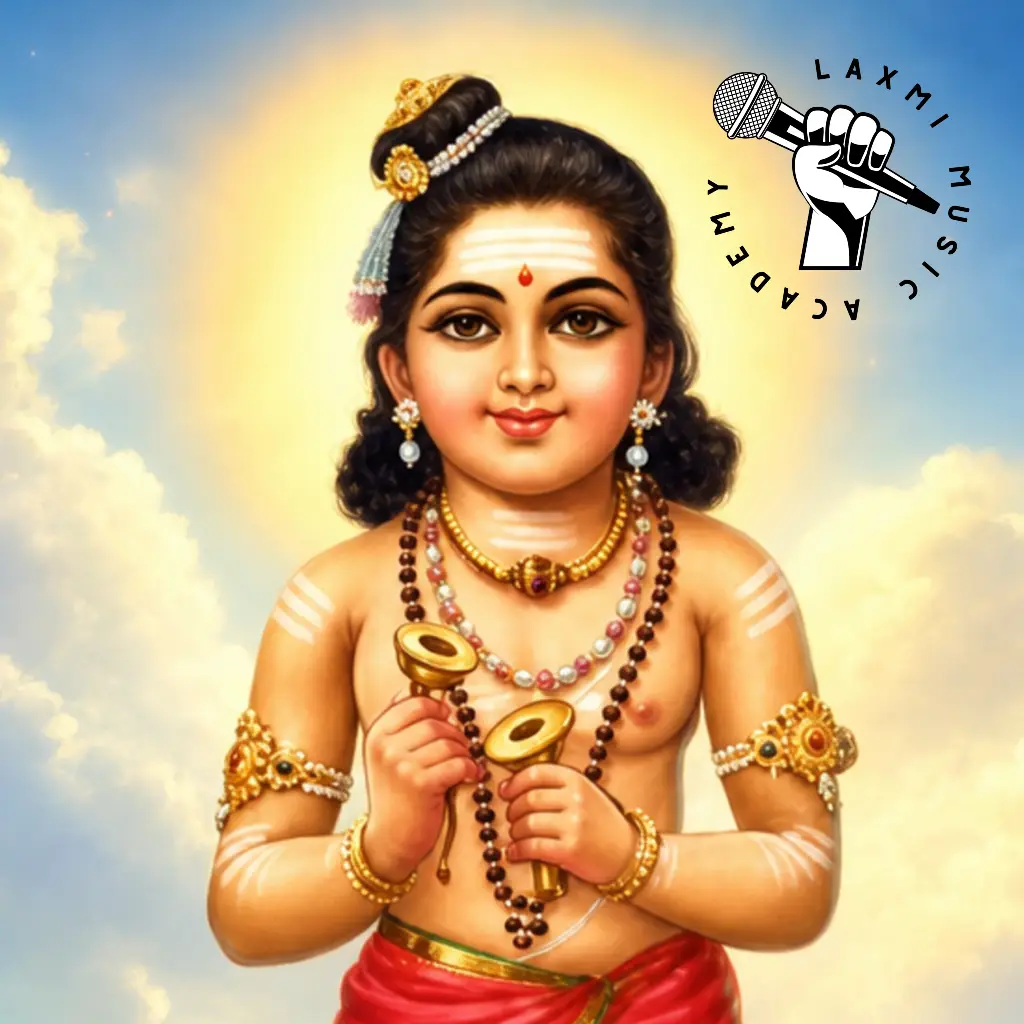
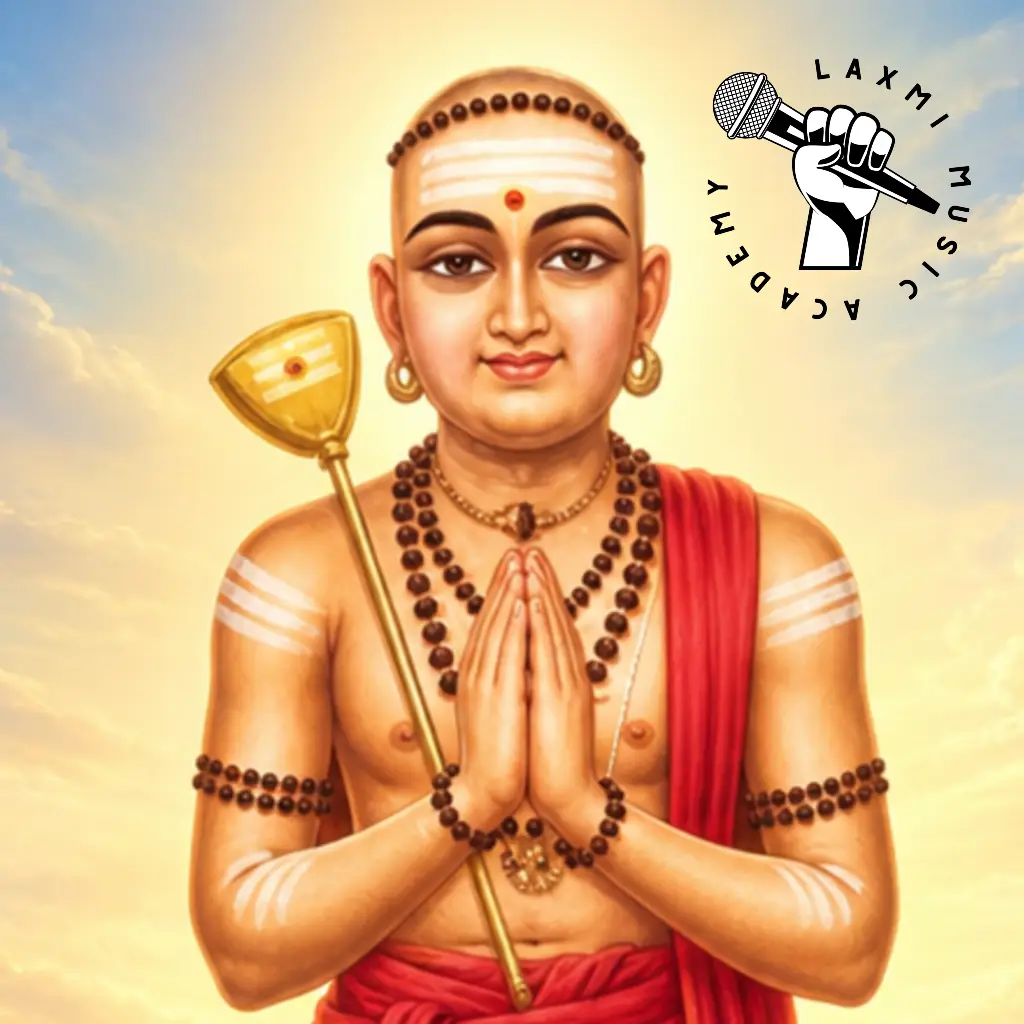
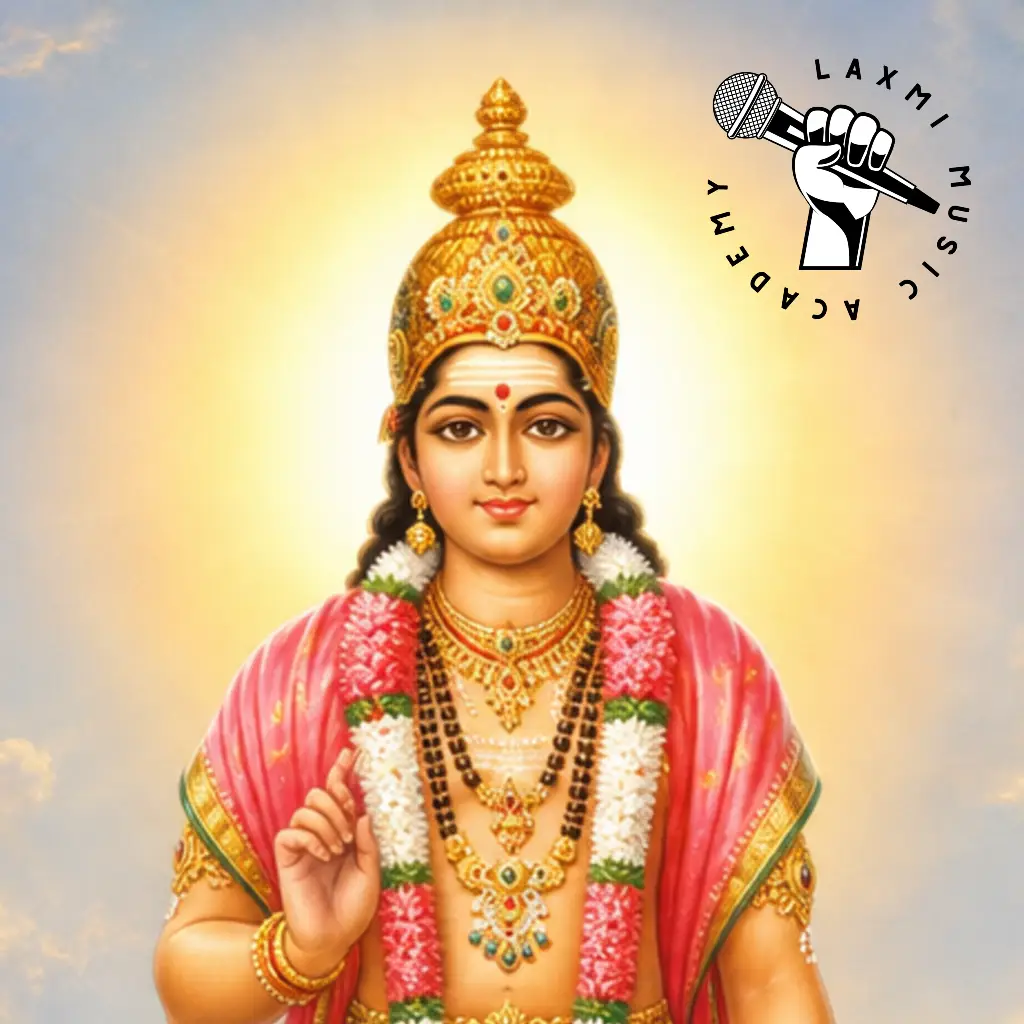
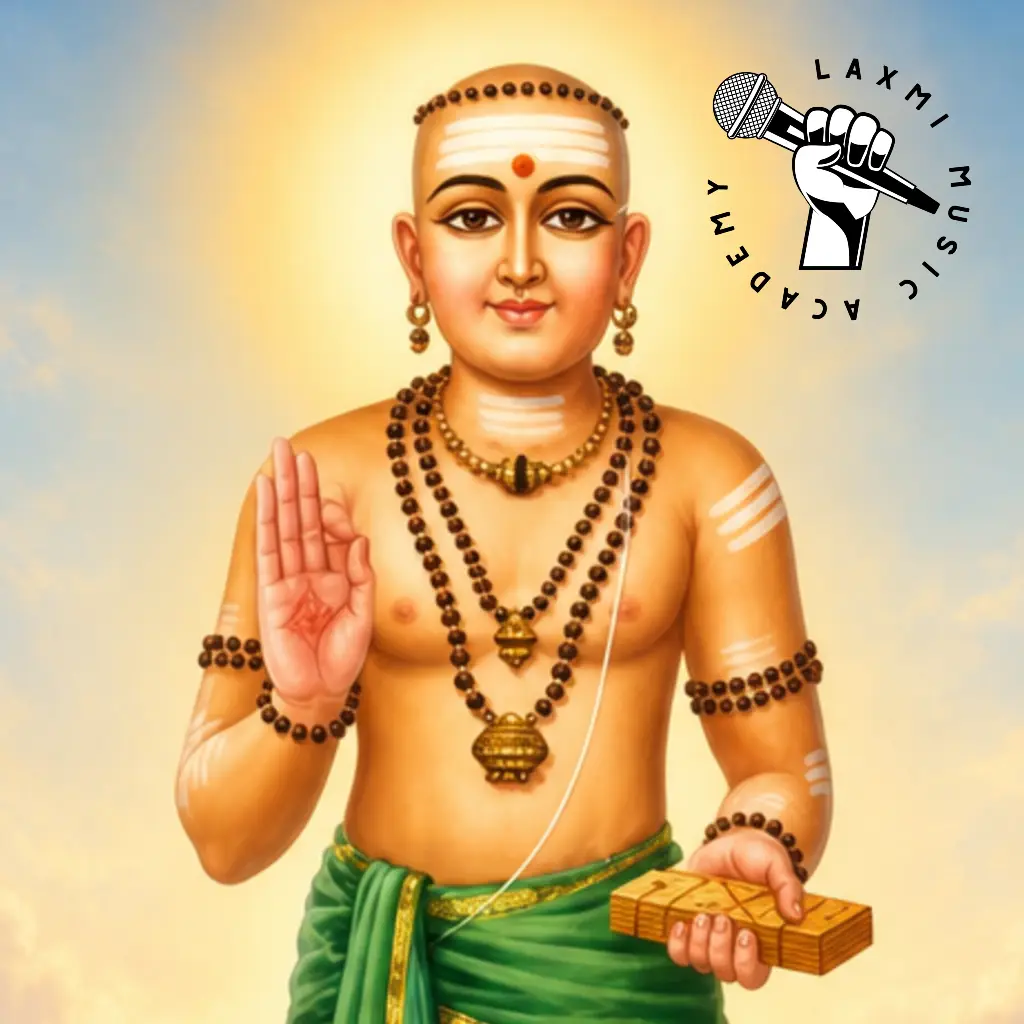
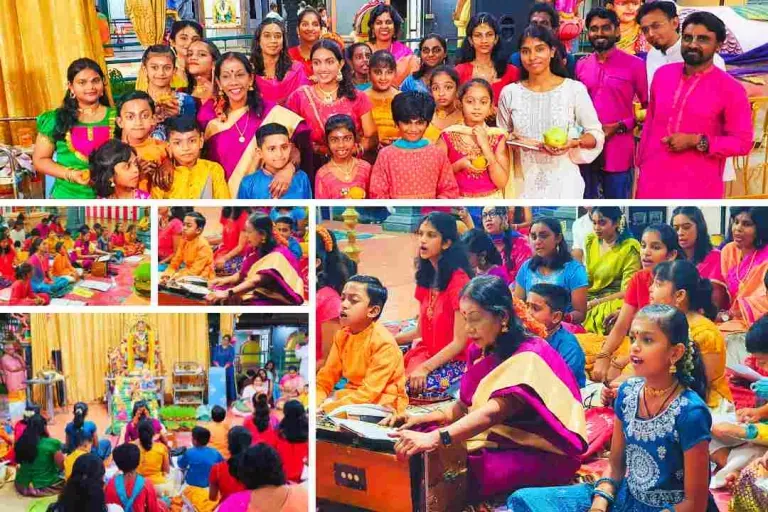
The devotional songs of the four Nayanmar saints, still ringing through Tamil temples today, a thousand years on.
WhatsApp UsSangeetham teaches you how to sing it.
Learn about Sangeetham vocal classes →Thevaram is the first seven books of the Tirumurai, sacred Shaivite Tamil songs by three revered Nayanmars: Sambandar, Appar and Sundarar. A thousand years on, they still ring out in temples across South India and Sri Lanka. One of the world's oldest living music traditions.
Every Thevaram song is set to a raagam, an ancient melodic mode at the very root of Carnatic music. That is why Sangeetham comes first: it teaches you how to sing, breath, pitch, shruti and talam, the foundation every song is built on.
We don't run a separate Thevaram course, and you don't need one. Like any devotional song, Thevaram needs the right shruti (pitch) and talam (rhythm), exactly what Sangeetham teaches. Build that foundation and you can sing Thevaram, kirtans, bhajans, anything. Want to sing Thevaram? Start with Sangeetham.
Explore Sangeetham Vocal Classes →The Thevaram hymns were composed by three saints, Sambandar, Appar and Sundarar, known as the Moovar (the Three). Together with Manikkavasagar, who gave us the Thiruvasagam, they form the revered Nalvar, the four foremost saints of Tamil Shaivism. At Sangeetham, you first learn how to sing, the foundation that brings these songs within your reach. Tap any saint for their life, legend and famous songs.

Born in Sirkazhi, Sambandar received divine grace as an infant and sang hymns to Lord Shiva from the age of three. His Thevaram is renowned for its lyrical beauty, philosophical depth and spiritual authority.

Called Appar (“Father”) by his followers, he endured great trials before returning to Shaivism. His songs are cherished for their humility, surrender and emotional sincerity.

Sundarar approached Shiva as a friend rather than only a devotee. His songs carry a unique intimacy and boldness. He composed the Thiruthondathogai, the roll-call of the 63 Nayanmars.

His work is the Thiruvasagam rather than Thevaram proper, yet Manikkavasagar is inseparable from this tradition. His songs express the soul's transformation through pure devotion.
Students learn many of these songs, and more, across their Sangeetham vocal journey. Because each is set to a raagam and a rhythm, you must first learn to sing in shruti and talam, which is exactly why it all begins with Sangeetham.
The “Five Scriptures”, five sacred works (Thevaram, Thiruvasagam, Thiruvisaippa, Thiruppallandu and Periyapuranam) recited in temple prayers and home pooja, together the whole essence of Tamil Shaiva devotion.
Explore the Pancha Puranam →More than music. A connection to thousands of years of Tamil spiritual tradition.
Thevaram hymns carry centuries of bhakti (devotion). Singing them brings spiritual calm, focus, and a deep sense of connection to Lord Shiva's grace.
These songs are a UNESCO-recognised living tradition. Learning them ensures one of humanity's oldest musical traditions survives for future generations.
Thevaram's raagams are among the oldest in Carnatic music. Learning them gives musicians a richer, more authentic feel for melody, structure and emotion.
Classical Tamil pronunciation in Thevaram is exquisite. Studying it improves your overall Tamil diction, speech, and cultural literacy.
Thevaram rings out at Hindu temples, namakarana ceremonies and community events across Malaysia. Knowing these songs lets you contribute meaningfully to your community.
Learning Thevaram from a young age instils cultural identity, ethical values, and devotion. It gives children a strong spiritual and cultural foundation for life.
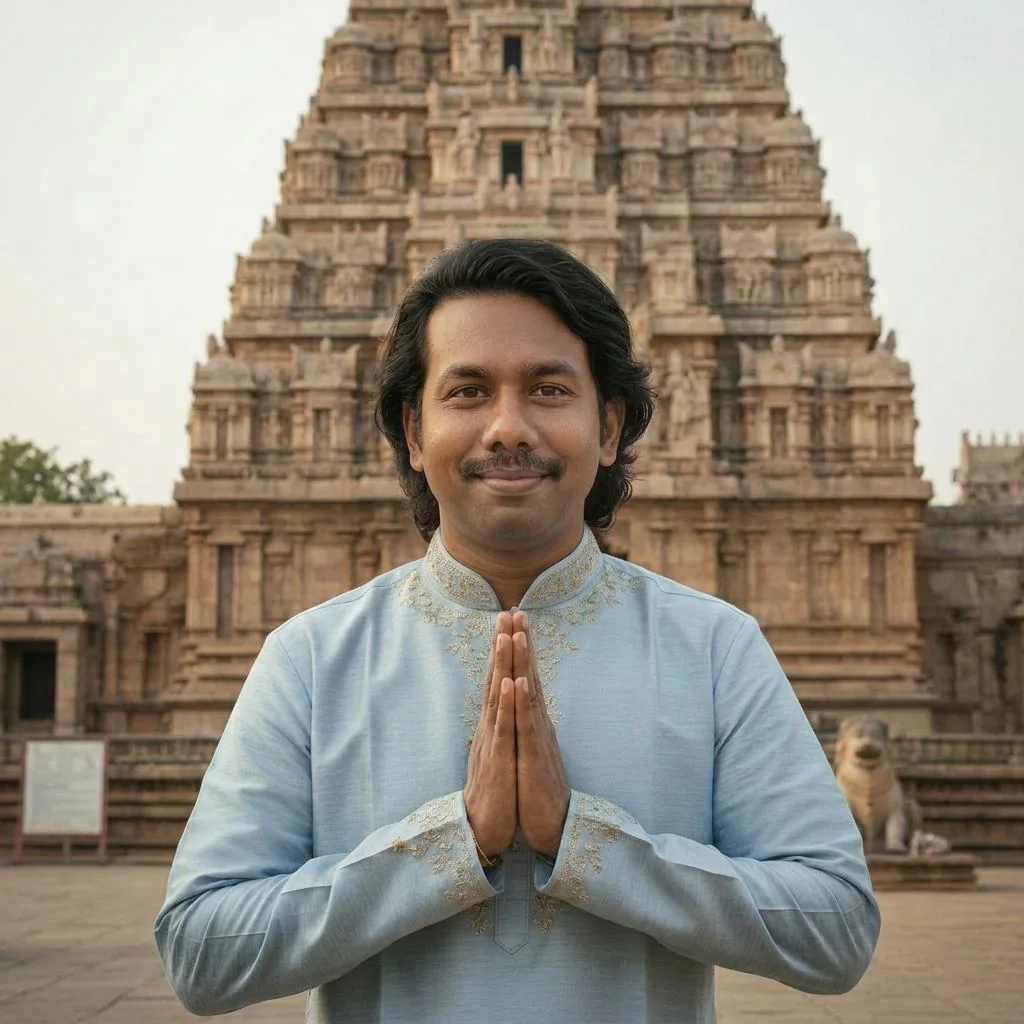
86 years of combined experience. Three completely different personalities. One thing in common, they genuinely love watching people discover what they are capable of.
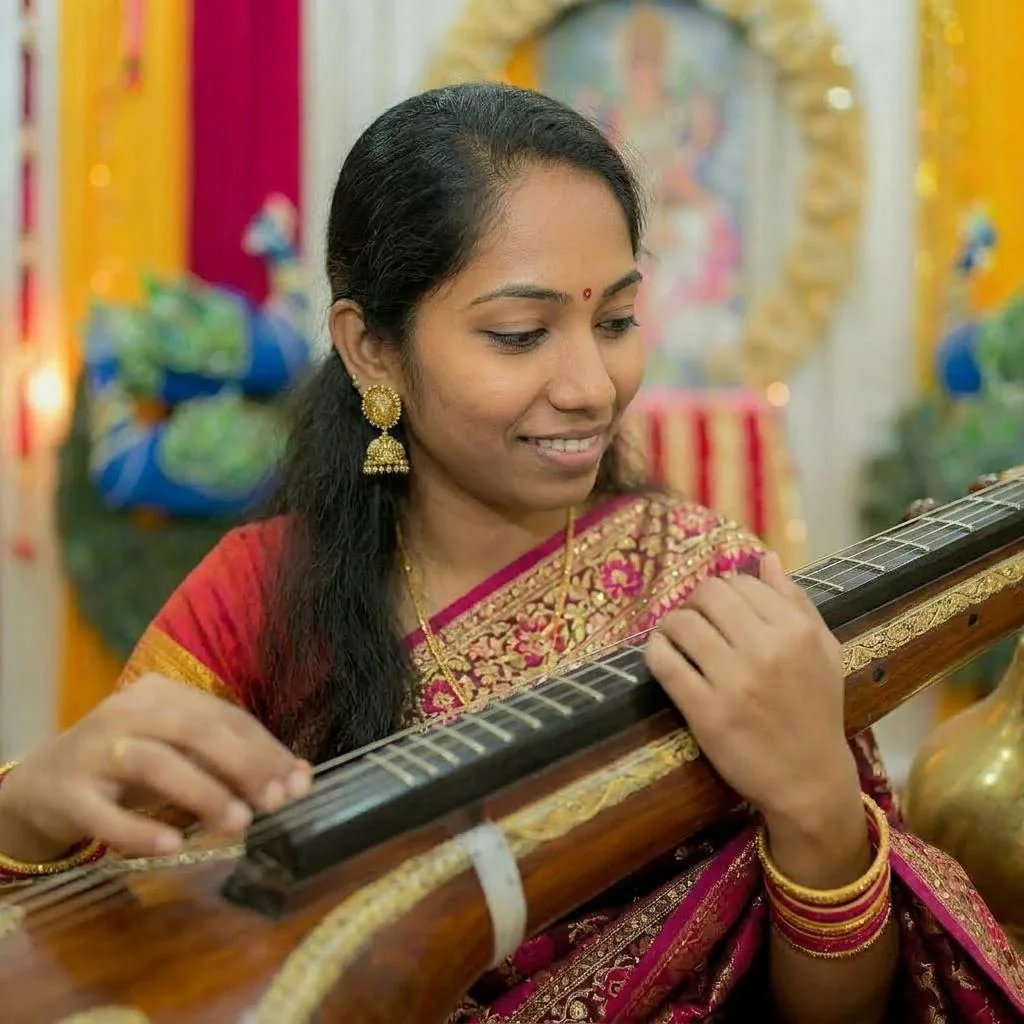
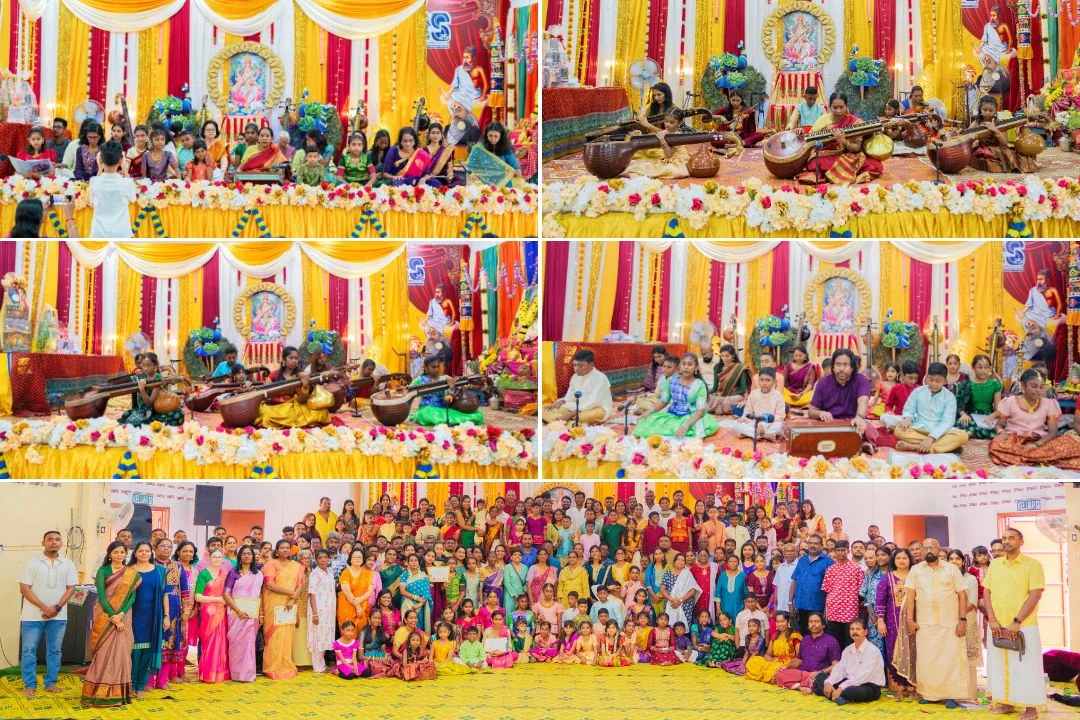
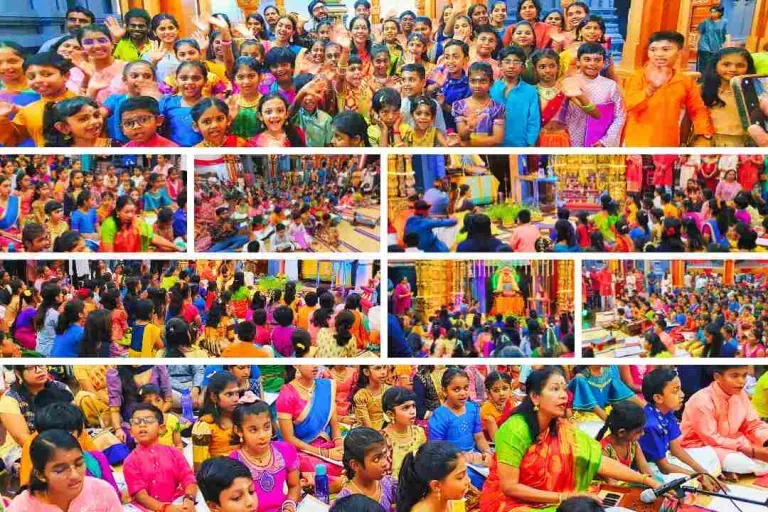
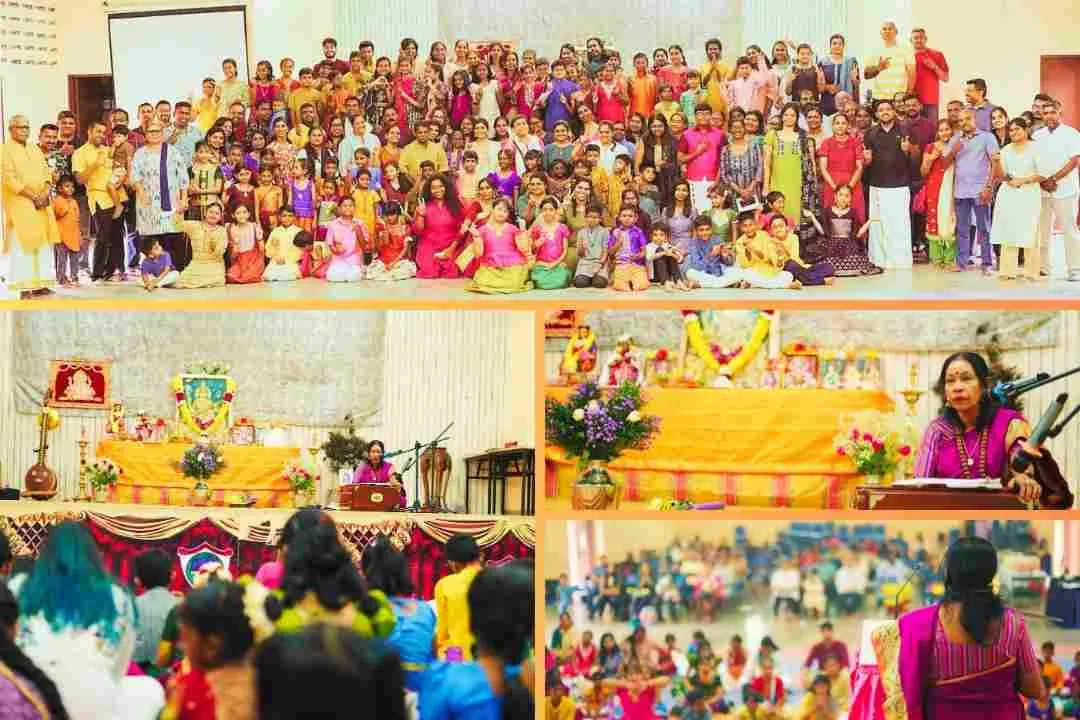
Real images. No AI. Real events. Real students. This is what we do. And we are always active.
Common questions about learning Thevaram at Sangeetham.
No, and there isn't a separate Thevaram course to enrol in. Sangeetham teaches you how to sing: pitch, shruti and talam. That foundation is what lets you sing Thevaram, and we bring these songs into vocal lessons from time to time.
Join Sangeetham vocal classes (group or private) and you'll build exactly what you need to take up Thevaram. No separate class, no extra fee.
The Tirumurai is the complete 12-book canon of Tamil Shaivite devotional literature. Thevaram refers specifically to the first seven books, the songs of Thirugnana Sambandar (books 1 to 3), Thirunavukarasar/Appar (books 4 to 6), and Sundarar (book 7).
At Sangeetham, we primarily teach from the Thevaram and Tiruvasagam (book 8, by Manikkavasagar) sections.
Basic Tamil literacy is helpful but not required to begin. Many students start with no Tamil background and learn the pronunciation phonetically during class.
We also explain the meaning of each song in English or Malay so students understand what they are singing. Over time, you'll naturally develop familiarity with classical Tamil.
Pancha Puranam ("Five Puranas") refers to five foundational Shaivite texts sung daily in temples and during key ceremonies.
Yes, learning Pancha Puranam is a standard milestone in the Sangeetham vocal curriculum. You'll learn to sing these songs with correct pronunciation, melody, and understanding of their meaning.
Absolutely. Thevaram is a treasure of human cultural and musical heritage. Its beauty transcends religious and ethnic boundaries.
Students of all backgrounds learn Thevaram at Sangeetham for its musical depth, poetic beauty, and cultural richness. We welcome all who are drawn to this tradition with an open and respectful heart.
Yes. Children who start singing young develop excellent Tamil pronunciation, cultural identity and a spiritual foundation that stays for life, and once they can sing, songs like Thevaram come within easy reach.
Our teachers are experienced with children and make learning to sing engaging and enjoyable.
It all begins with learning how to sing, in the right shruti and talam. See how our Sangeetham vocal classes work, and start your journey today.
Explore Sangeetham Classes →