The Beginner’s Roadmap: From Sarali Varisai to Varnam
 By Master Bala · 9 July 2026 · 6 min read

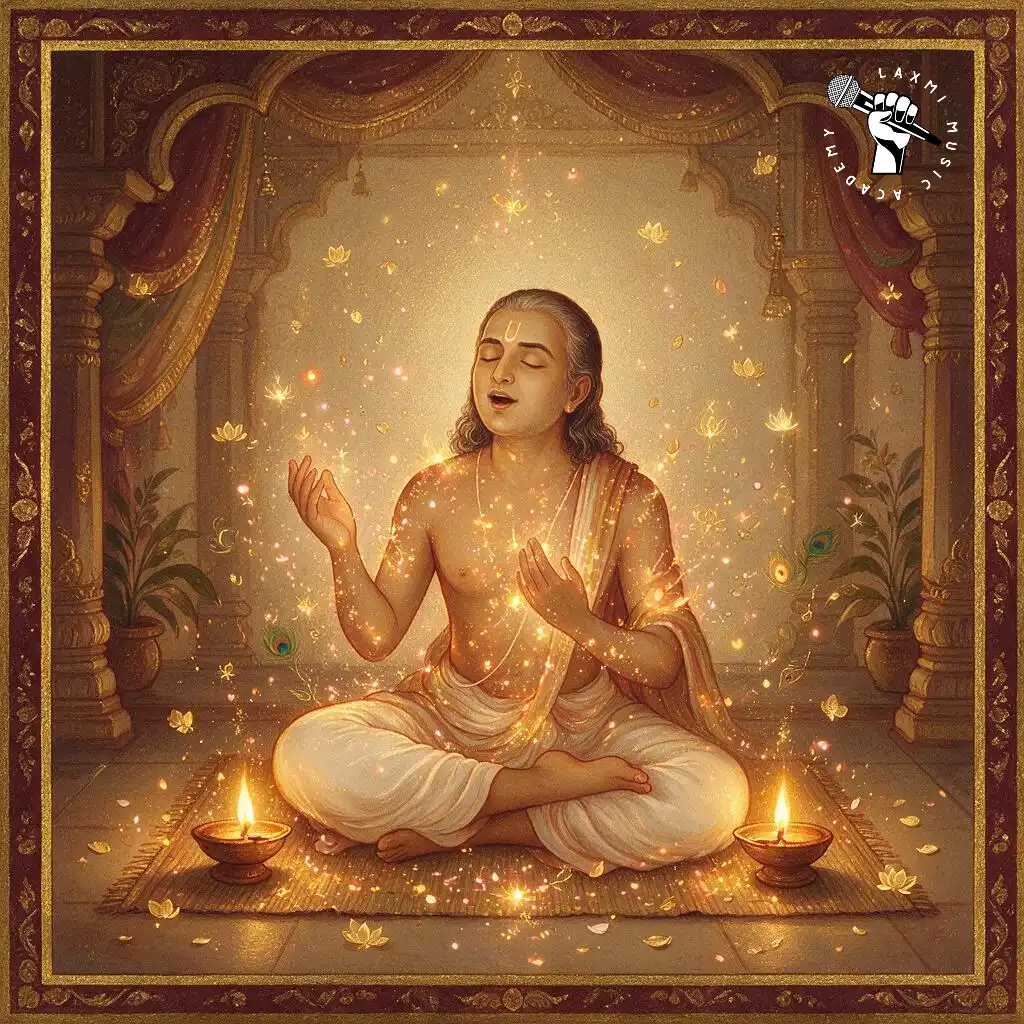
Every great singer walked this same road. One gentle step at a time.
“What will my child actually learn, and in what order?” It’s one of the best questions a parent can ask, and it deserves a straight answer. So here it is: the whole beginner’s journey, laid out on one page, from the very first note to that proud first concert piece. No mystery, no gatekeeping.
Think of it as a staircase. Each step is built to make the next one possible. You don’t skip steps. You climb them, and each one leaves you a little stronger than before. That’s how you level up for real.
The learning path, step by step
-
Sarali Varisai
The very first exercises, simple patterns of notes, sung slowly up and down. This is where the voice learns to find each note cleanly and keep steady time.
-
Janta Varisai
Now the notes come in pairs, “Sa-Sa, Ri-Ri”, which builds real strength and clarity, and gently introduces the first little ornaments.
-
Dhatu Varisai
The patterns begin to leap and skip between notes instead of stepping one by one, training the voice to jump accurately and stay in tune.
-
Alankaram
The same swaras, now set to seven different rhythms. Here a student truly marries melody with rhythm, the two great pillars of our music.
-
Geetam
The first real song, and honestly, a whole core memory. A short, sweet composition, usually in praise of a deity, where all those exercises finally become music with words.
-
Jatiswaram & Swarajati
Slightly longer pieces with a proper structure, weaving together the patterns learned so far into something graceful and complete.
-
Varnam
The final boss of the beginner journey. A varnam packs a raga’s whole character into one composition, and it’s the very piece that opens many a concert. Reach here, and you’re officially not a beginner anymore.
You don’t climb a staircase by leaping. You take it one sure step at a time. Trust the process.
Did you know?
This step-by-step path isn’t new. It was carefully ordered centuries ago so every lesson quietly preps the voice for the next. The method works so well it has barely changed in over 400 years. If it ain’t broke…
“How long will it take?”
Every child is different, so I never promise a fixed timetable, and honestly, be a little sus of anyone who does. Some race through the early steps, some take their time and enjoy them. What matters isn’t speed, it’s sureness. A student who climbs each step properly will sing beautifully for life; one who gets rushed will always feel a bit wobbly.
My honest advice to parents: celebrate the step your child is on today instead of staring at the top of the staircase. Progress in music is quiet and steady, like a plant growing. You rarely catch it moving, but look back in a year and see how tall it stands.
Why this is secretly good for you (and your child)
Following a step-by-step path teaches something priceless: how to reach a big goal through small, consistent effort. A child who learns that a varnam is just a hundred tiny lessons stacked up carries that same confidence into exams, sport and life, the deep belief that patient, steady effort actually gets you there.
🎧 Celebrate, never push
The kindest thing a parent can do is simply enjoy the journey alongside their child:
- Ask which “step” they’re on this week, and let them teach you a little of it.
- Praise the enjoyment, not the hours. There’s no homework to chase and nothing to tick off.
- When a new step arrives, celebrate it, a small moment of pride keeps the love alive.
And beyond the varnam?
Once a student reaches the varnam, a whole new world opens up, the great kritis of the master composers, the art of improvisation, the joy of performing on stage. But that’s a story for another day. For now, know this: every celebrated musician you admire once stood exactly where your child stands today, singing their very first Sa Ri Ga Ma. The road is well-worn, well-loved, and it’s waiting.

Words to know
Abhyasa gana, the graded exercise pieces (steps 1 to 6 above) that build a singer’s foundation.
Geetam, a short, simple song; usually a beginner’s first piece with lyrics.
Varnam, a rich composition capturing a raga’s character; the peak of the beginner path and a favourite concert opener.
Kriti, the deeper, more elaborate songs students learn after the varnam.
Your questions, answered
What is the order of lessons in Carnatic music for beginners?
The usual path is: sarali varisai, janta varisai, dhatu varisai, alankaram, geetam, jatiswaram and swarajati, and finally the varnam, each step building on the one before.
How long does it take to reach the varnam?
It varies from child to child, and there’s no fixed timetable. What matters is learning each step properly rather than rushing, steady progress leads to beautiful, confident singing.
What comes after the varnam?
After the varnam, students move on to kritis, the rich songs of the great composers, along with improvisation and performing on stage.
Is this roadmap the same for instruments and vocal?
The same foundation of exercises applies to both voice and instruments. Whether you sing or play the veena, violin or another instrument, you begin with these same building blocks.
Ready to take the first step?
We’ll guide your child up every stage of this staircase, at just the right pace for them. WhatsApp us to begin, online or here in Puchong. Let’s get started.
💬 WhatsApp Us
Master Bala
Master Bala is a seasoned Carnatic music teacher and the guiding hand behind Laxmi Music Academy in Puchong, where he has led countless students from their very first note to the confidence of the stage.