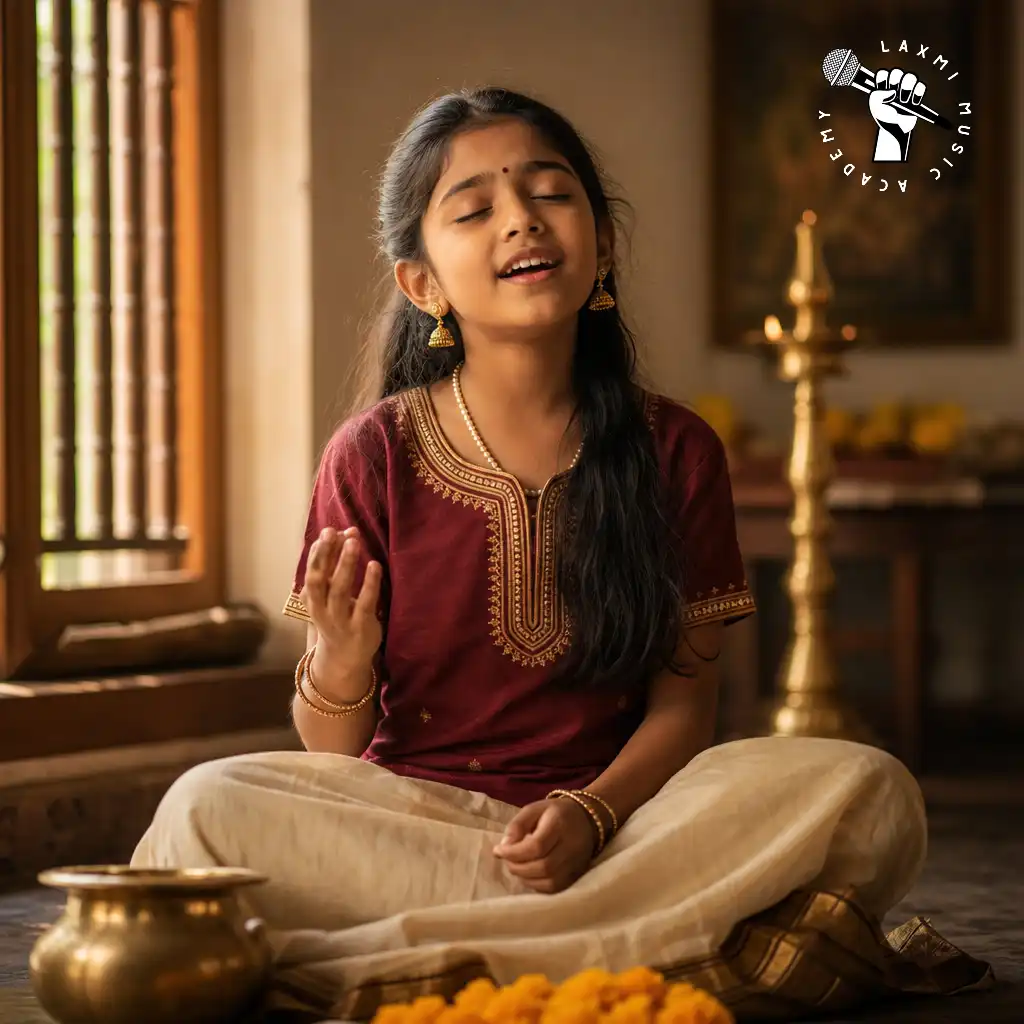
Carnatic vs Hindustani: What’s the Difference?
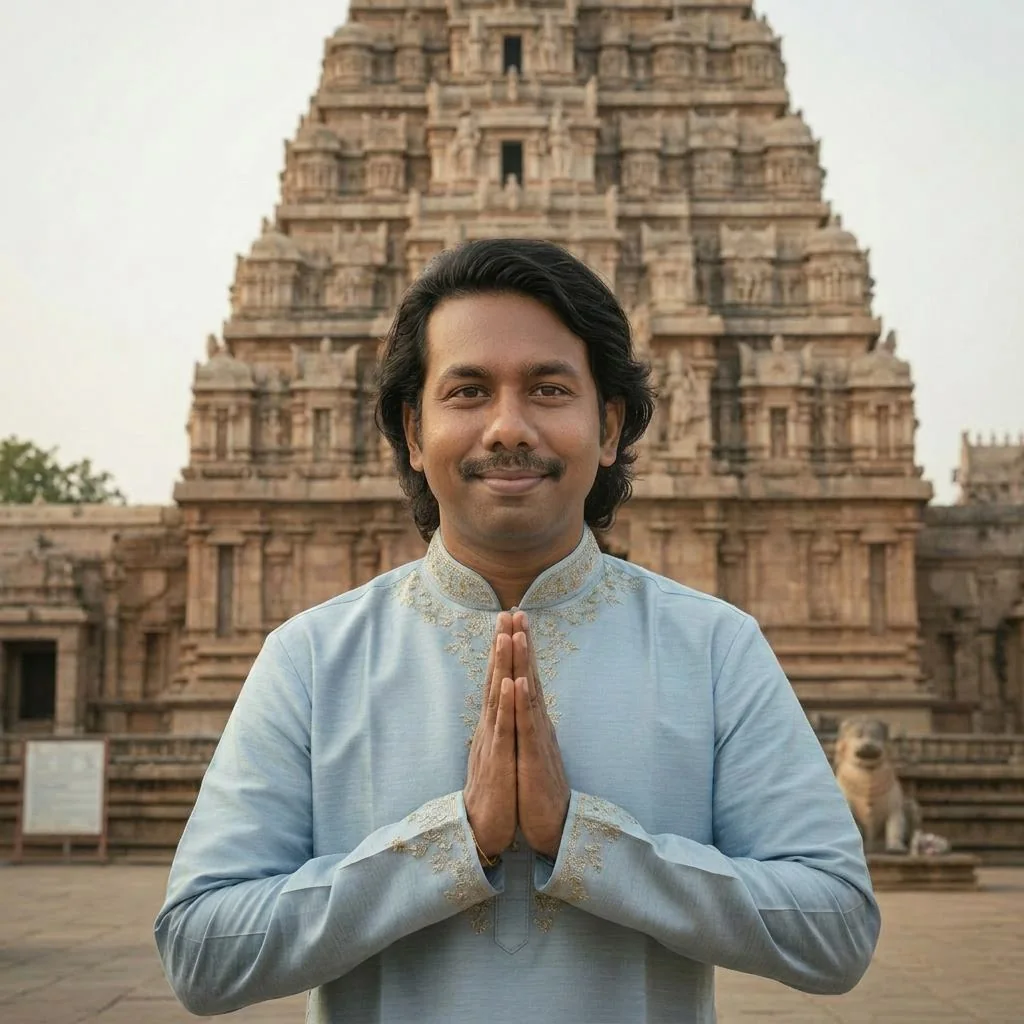 By Master Bala · 25 July 2026 · 6 min read
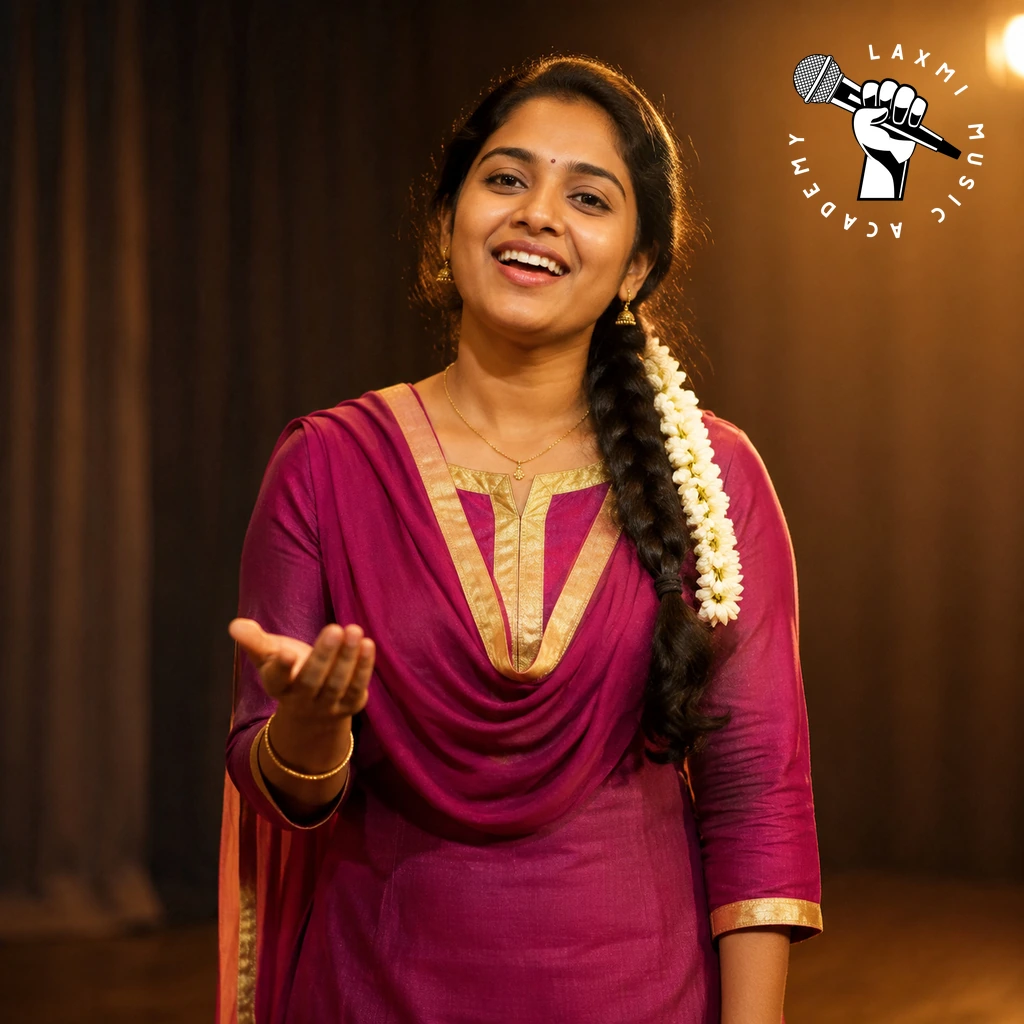
Two branches of the same ancient tree, each grown toward its own light.
This is honestly one of the most common questions I get, and it is a good one. Both Carnatic and Hindustani are Indian classical music. Both use ragas. Both use talas. So what actually makes them different? Here is the simple, honest answer, no jargon.
Short version: same roots, different branches.
Same roots, different journeys
Both traditions grew from the same ancient Indian musical heritage, going back thousands of years. Over the centuries, the northern tradition absorbed considerable Persian and Central Asian influence, while the southern tradition developed along a more continuous line of its own. Roughly speaking, the north became Hindustani and the south became Carnatic. Same tree, two branches.
The quick comparison
Carnatic, more composition-centred, densely ornamented with gamaka, faster-moving, mridangam and violin. Hindustani, more improvisation-centred with long unhurried alap, tabla and sitar or sarod, slower unfolding.
How they actually feel different
If you listen to both back to back, the first thing you notice is pace and density. Carnatic music tends to move more, with gamaka woven so thickly into every phrase that the notes are almost never still. Hindustani tends to unfold more slowly, taking its time, with long meditative stretches before the rhythm even enters.
Another real difference: Carnatic concerts lean heavily on composed pieces, with improvisation built around them. Hindustani concerts often give improvisation the larger share of the evening. Both approaches produce extraordinary music, they just arrive by different routes.
Two branches of the same ancient tree, each grown toward its own light.
Did you know?
Even the shared vocabulary shifts slightly between the two. What Carnatic musicians call a raga and a tala, Hindustani musicians call a raag and a taal. And a raga with the same name can sound noticeably different in each tradition.
Different instruments on stage
You can often tell which tradition you are hearing just by the instruments. Carnatic concerts typically feature the violin, mridangam and sometimes ghatam or veena. Hindustani concerts more often feature the sitar, sarod, bansuri and tabla. The tanpura drone, though, is common to both, humming quietly underneath everything.
Why knowing both helps
Understanding the difference makes you a genuinely better listener. You stop hearing "Indian classical music" as one undifferentiated thing and start hearing two distinct, rich traditions, each with its own logic. That is a real upgrade in appreciation.
🎧 Listen to both, just for fun
Nothing to prepare or memorise. This is background knowledge that makes listening richer, not something anyone gets tested on.
If you are curious, try listening to a short piece from each tradition back to back sometime. Totally optional, purely for enjoyment.
Which should you learn?
Honestly, whichever speaks to you. If you are here in a Carnatic academy, you have probably already found your answer. But there is no rivalry between them, plenty of musicians love and study both. Come learn with us, and you will end up appreciating both traditions far more deeply than before.
Words to know
Carnatic music, the classical tradition of South India, more composition-centred and densely ornamented.
Hindustani music, the classical tradition of North India, with greater emphasis on extended improvisation.
Raga / Raag, the melodic framework, called raga in Carnatic and raag in Hindustani.
Alap, the Hindustani equivalent of alapana, the free rhythmless opening exploration of a raag.
Tanpura, the drone instrument common to both traditions.
Your questions, answered
What is the main difference between Carnatic and Hindustani music?
Carnatic music is more composition-centred and densely ornamented with gamaka, while Hindustani music places greater emphasis on extended improvisation and slower unfolding. Both share ancient Indian roots but developed along different paths.
Do Carnatic and Hindustani use the same ragas?
They share many raga names and some structures, but a raga with the same name often sounds noticeably different in each tradition, because the ornamentation and characteristic phrases differ.
Which instruments distinguish the two traditions?
Carnatic concerts typically feature violin, mridangam, veena and sometimes ghatam. Hindustani concerts more often feature sitar, sarod, bansuri and tabla. The tanpura drone is common to both.
Is one tradition harder to learn than the other?
Neither is objectively harder. They demand different strengths, Carnatic asks for precision with dense ornamentation and rhythm, Hindustani asks for patience and sustained improvisation. Both take years of devoted study.
Ready to explore the Carnatic tradition?
Send us a message on WhatsApp, and we will help you or your child begin, online, or here with us in Puchong.
💬 WhatsApp Us
Master Bala
Master Bala carries the timeless tradition of Carnatic music to a new generation at Laxmi Music Academy in Puchong, teaching with patience and devotion, and guiding each student from their very first note all the way to the stage.