
Dhattu Varisai: Learning to Leap Between Notes
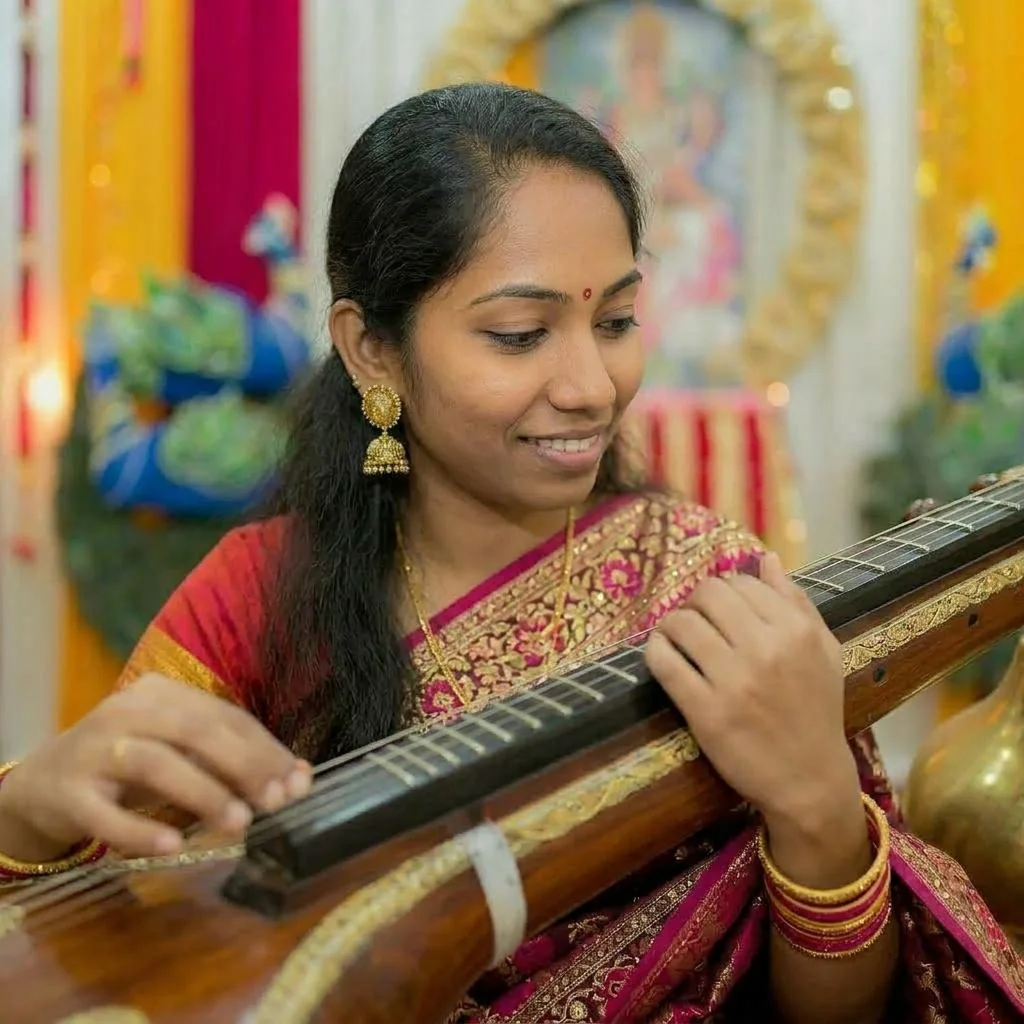 By Teacher Nanthini · 25 July 2026 · 5 min read
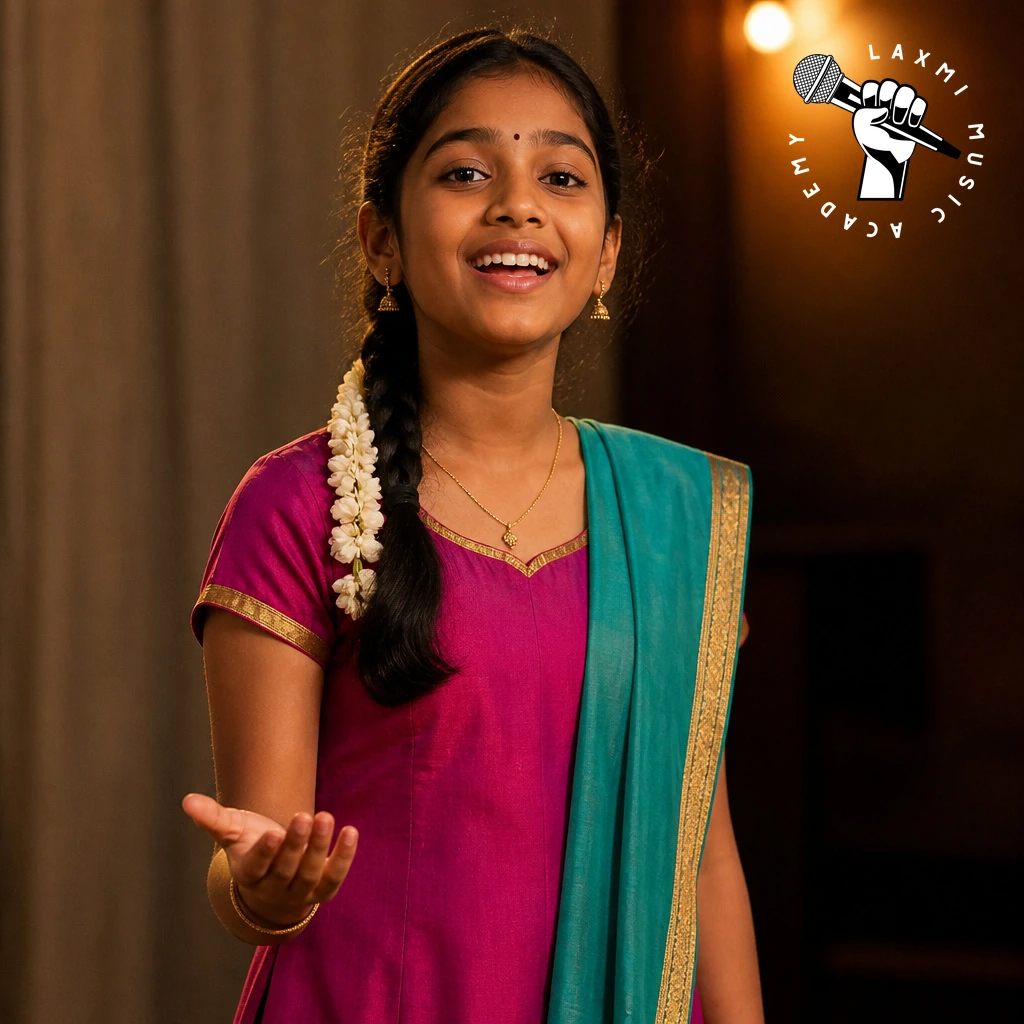
No walking to the note. You have to land on it.
Okay, this is the stage where things get properly interesting. Up to now, every exercise has moved in order, one note to the next, neat and predictable. Dhattu Varisai throws that out. Suddenly the notes jump around, and your voice has to land on them without stepping there first. It is a genuine step up.
And honestly? This is the one that turns exercises into actual singing.
So what is Dhattu Varisai?
Dhattu means jumping. Instead of Sa Ri Ga Ma marching along in order, you get patterns that skip: Sa Ga Ri Ga, or Sa Ma Ga Ma. You leave one note and land somewhere that is not next door. No walking, no sliding, just landing.
Why jumping is so much harder
When notes move in order, your voice can feel its way to the next one. When they jump, that safety net disappears. You have to already know where the note lives and go straight there. That is a completely different skill.
Why this stage genuinely matters
Here is the thing nobody tells beginners: real songs do not move in order. Not one of them. Melodies leap constantly, up a fourth, down a third, all over the place. If the only thing your voice can do is walk up and down a scale, you cannot sing an actual song.
So Dhattu Varisai is not just another exercise sheet. It is the bridge. It is the stage that takes you from producing scales to producing melody.
Real melodies leap. This is where your voice learns to leap with them.
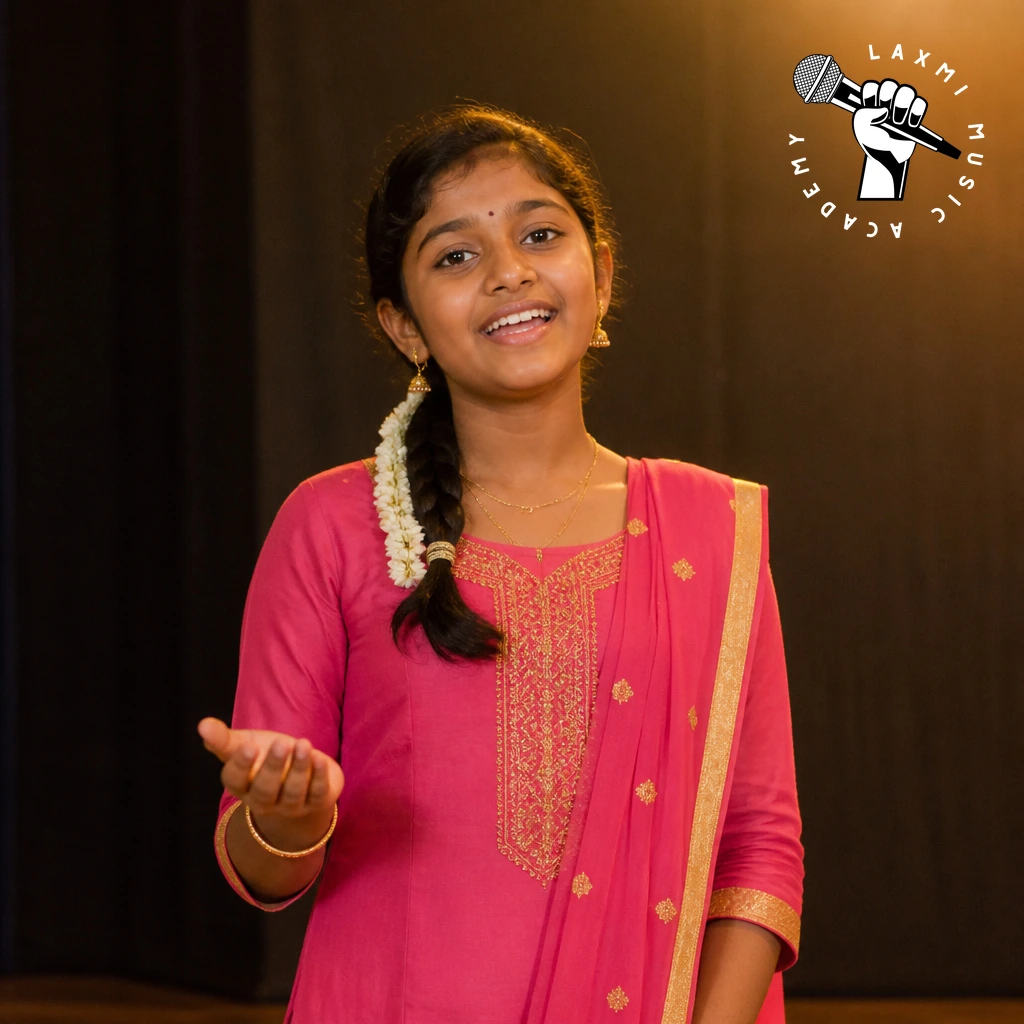
Did you know?
Dhattu Varisai trains your ear just as much as your voice. To jump accurately, you first have to hear the target note internally, before you sing it. That inner hearing is a real musical skill, and this is usually where students develop it without even realising.
The moment it clicks
Almost every student finds Dhattu awkward at first. The jumps feel unnatural, the pitch wanders, it is a bit frustrating. Totally normal, happens to everyone.
Then one day it just clicks. The voice starts landing where it is aimed, and suddenly you can hear the difference in everything else you sing. That moment is honestly one of the most satisfying in the whole beginner journey.
What you are actually gaining
Pitch accuracy and inner hearing, together. After Dhattu, a student can hear a note in their head and produce it with their voice. That is the core skill behind every song, every raga and eventually every bit of improvisation.
🎧 No pressure, this is class work
Nothing to do at home. Dhattu is built in class with a teacher listening, because catching a jump that landed slightly off is exactly what a teacher is there for.
If you enjoy the patterns and hum them later, brilliant. But it is always your choice, never something we ask for.
What comes after
Next up is Alankaram, where all of this meets rhythm properly for the first time. But that only works because Dhattu gave your voice the accuracy to handle it. Come learn with us, and we will get you leaping confidently.
Words to know
Dhattu Varisai, jumping-note exercises where swaras move in leaps rather than in order.
Janta Varisai, the paired-note exercises that come before Dhattu Varisai.
Alankaram, the exercises set to the seven basic talas, which follow Dhattu Varisai.
Pitch accuracy, the ability to land precisely on an intended note without sliding to it.
Your questions, answered
What is Dhattu Varisai?
Dhattu Varisai is a set of Carnatic exercises where swaras move in leaps rather than in order, such as Sa Ga Ri Ga. Dhattu means jumping, and the exercises train a singer to land accurately on notes.
Why is Dhattu Varisai harder than Sarali or Janta Varisai?
In earlier exercises the notes move stepwise, so the voice can feel its way from one to the next. In Dhattu the notes jump, removing that support, so a singer must know exactly where the target note sits before singing it.
Why does Dhattu Varisai matter for learning songs?
Real melodies do not move stepwise, they leap constantly. Dhattu Varisai builds precisely the skill songs require, which is why it acts as the bridge between plain exercises and actual singing.
Is it normal to find Dhattu Varisai difficult at first?
Completely normal. Almost every student finds the jumps awkward initially and the pitch wanders. It typically clicks after a period of steady work in class, and the improvement is very noticeable when it does.
Ready to take on the jumps?
Send us a message on WhatsApp, and we will help you or your child begin, online, or here with us in Puchong.
💬 WhatsApp Us
Teacher Nanthini
Teacher Nanthini teaches veena and Carnatic vocal at Laxmi Music Academy in Puchong. With a warm, encouraging style, she loves guiding beginners through their very first notes, turning nervous starts into real, joyful music.