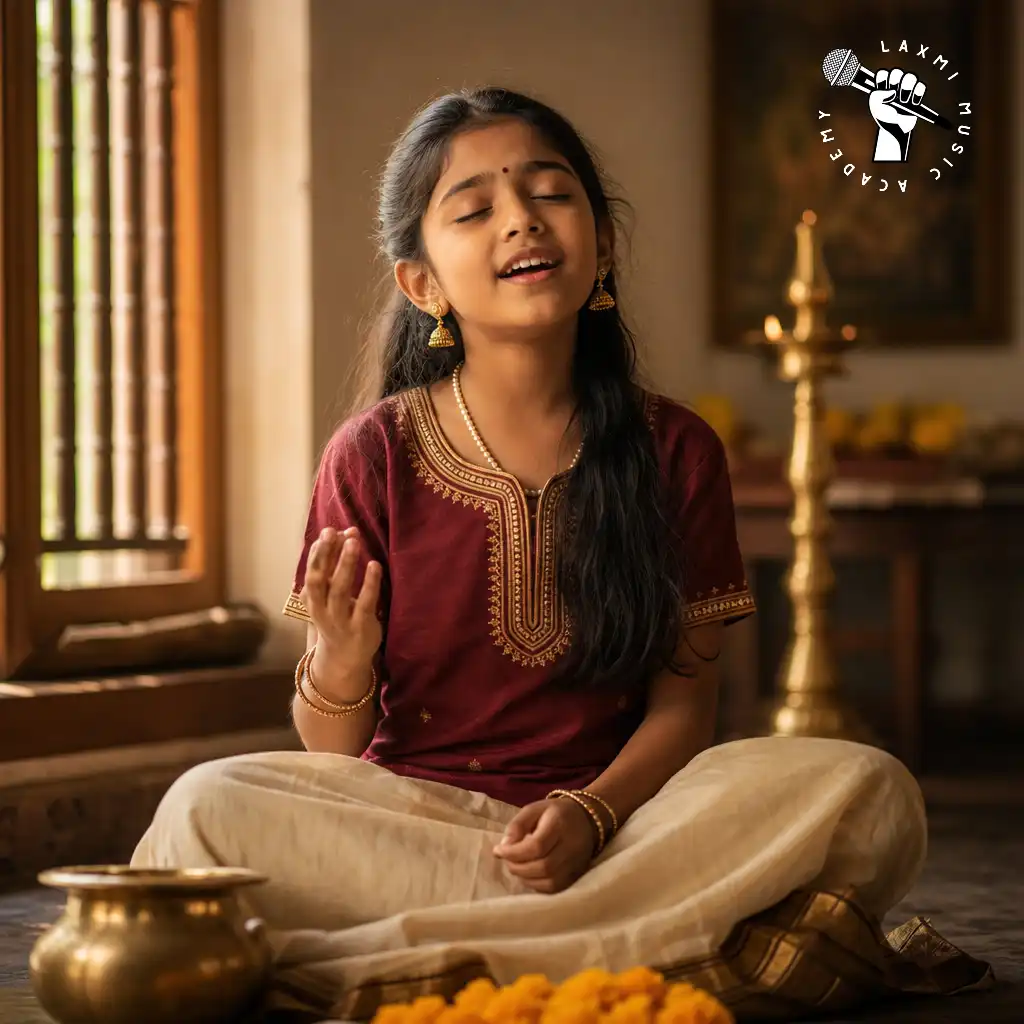
Manodharma: The Art of Making It Up Beautifully
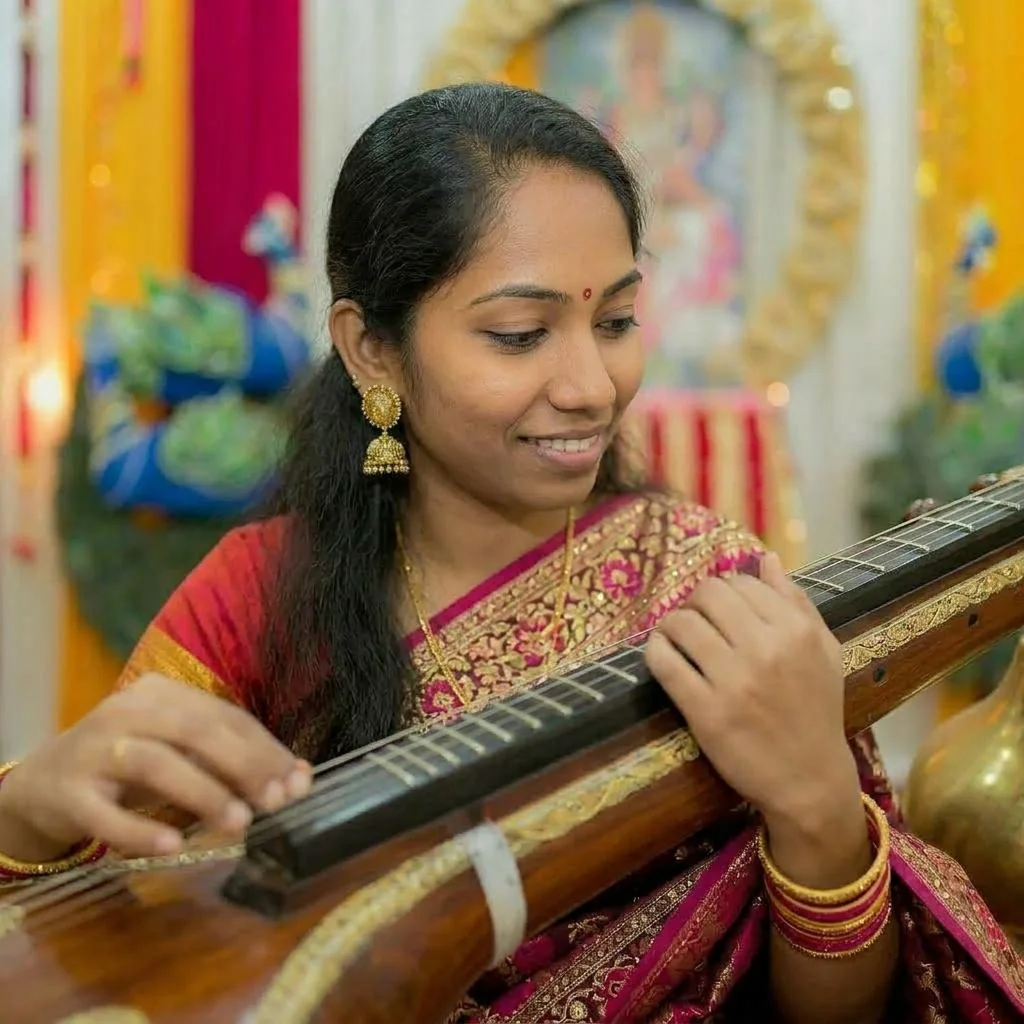 By Teacher Nanthini · 25 July 2026 · 6 min read
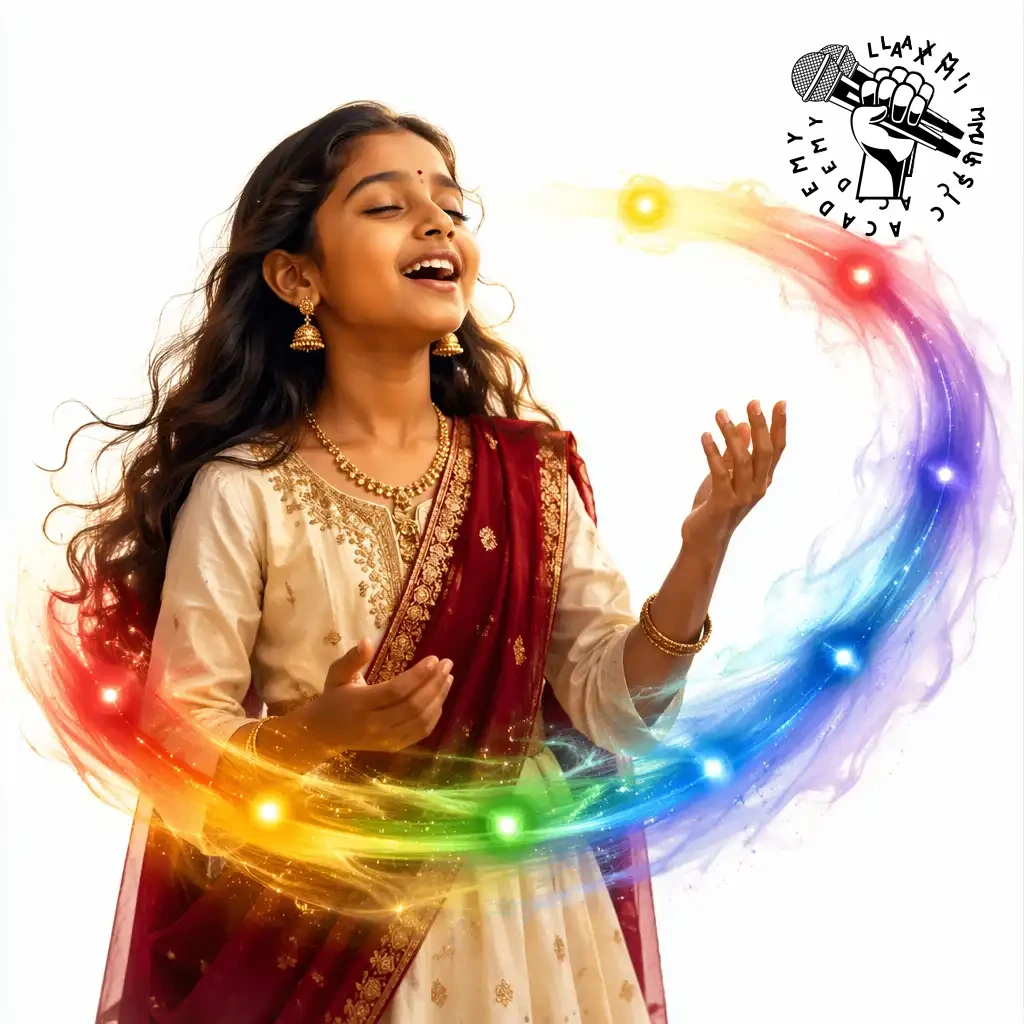
Strict rules, total freedom, all at the same time.
Okay, this is genuinely the part of Carnatic music that makes people's jaws drop. Manodharma means improvisation, making it up live, in the moment, with no script. And somehow it comes out sounding gorgeous and completely correct at the same time. Let me explain how that is even possible.
Because it is not magic, and it is not random. It is one of the most impressive skills in all of music.
So what is manodharma?
Carnatic music has two halves. There is kalpita sangita, the composed music, the kritis and varnams that were written by someone and passed down. And then there is manodharma sangita, the improvised music, created fresh by the performer right there on stage. Every serious concert has both, and the improvised parts are often where the real excitement lives.
The main forms you will hear
Alapana, exploring a raga freely with no rhythm. Niraval, taking one line of a song and reshaping it again and again. Kalpana swaram, spontaneous swara patterns fired off in rhythm. Tanam, a pulsing, rhythmic exploration that sits between the two.
Alapana, the raga with the clock switched off
Alapana is where a singer explores a raga with no tala at all, no beat, no rush. Just the raga, unfolding slowly, phrase by phrase, revealing its personality. It is a bit like watching someone slowly turn a jewel in the light so you can see every facet. This is usually how a big main piece opens, and honestly it is one of the most beautiful things in the whole tradition.
The rules are strict, and inside them you are completely free.
Did you know?
No two performances of the same raga are ever identical. The same artist singing the same raga twice in one week will produce two genuinely different alapanas, because it is created fresh each time. That is why people go to multiple concerts by the same musician.
How does anyone actually learn this?
Here is the part people get wrong. Improvisation is not something you are just born with. It is built, slowly, on top of years of absorbing a raga's grammar, which phrases belong, which ones do not, how the gamakas move, where the raga likes to rest. Once all of that lives in your ear, improvising stops being scary and starts being play.
It is a bit like learning a language. You do not improvise sentences on day one, but after enough time you speak freely without thinking about grammar at all. Same idea, same process.
The skill this actually builds
Creativity inside structure. Manodharma teaches you to be genuinely inventive while respecting real constraints, which is honestly one of the most useful skills a person can develop, in music and well outside it too.
🎧 Just listen and enjoy
Nothing to prepare at home. Manodharma is built gradually in class, on top of everything else a student learns.
If you want, listen to two different artists sing the same raga sometime and notice how differently they explore it. Purely for fun, never homework.
Come build up to it
Every artist you have heard improvise brilliantly started exactly where you are now. It is a long build, but each stage is genuinely enjoyable. Come learn with us, and one day that freedom will be yours too.
Words to know
Manodharma, the improvised half of Carnatic music, created fresh in performance.
Kalpita Sangita, the composed half, songs written down and passed on.
Alapana, free exploration of a raga with no rhythmic cycle.
Niraval, improvising around a single line of a song while keeping its rhythm.
Kalpana Swaram, spontaneous swara patterns sung in rhythm.
Tanam, a pulsing rhythmic exploration, sitting between alapana and rhythmic improvisation.
Your questions, answered
What is manodharma in Carnatic music?
Manodharma is the improvised half of Carnatic music, created spontaneously by the performer rather than written down. It includes alapana, niraval, kalpana swaram and tanam, and sits alongside the composed repertoire.
What is the difference between alapana and kalpana swaram?
Alapana explores a raga freely with no rhythmic cycle, focusing purely on mood and melody. Kalpana swaram is improvised swara patterns sung within the tala, so it is rhythmic and often energetic.
Is Carnatic improvisation completely free?
No, and that is what makes it remarkable. The performer must stay strictly within the chosen raga's grammar and the tala's cycle, yet within those firm boundaries they have enormous creative freedom.
When do students start learning to improvise?
Improvisation comes much later, after a student has absorbed enough ragas and rhythm to feel the grammar instinctively. It is built gradually rather than taught as a single lesson.
Want to build toward this kind of freedom?
Send us a message on WhatsApp, and we will help you or your child begin, online, or here with us in Puchong.
💬 WhatsApp Us
Teacher Nanthini
Teacher Nanthini teaches veena and Carnatic vocal at Laxmi Music Academy in Puchong. With a warm, encouraging style, she loves guiding beginners through their very first notes, turning nervous starts into real, joyful music.